Guide
Crack above a window frame or door
A crack running from a window or door corner can be caused by a failing lintel, seasonal temperature changes, or ground movement. Find out what each pattern means and when to ask a specialist to look at it.
Why cracks start at the corners of windows and doors
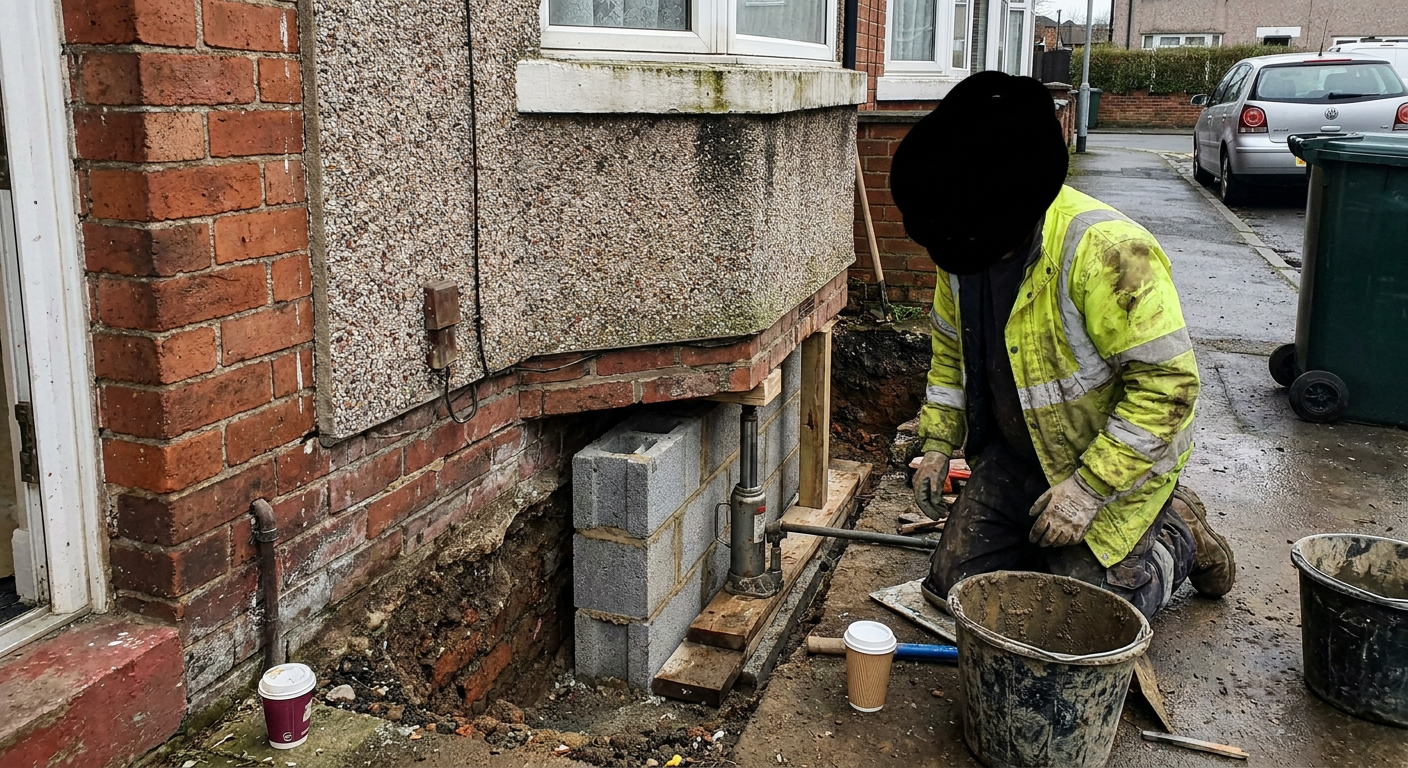
Most enquiries about subsidence in Hastings begin with someone noticing a crack above window frame plaster. Openings in a wall create weak points, so any stress concentrates there first. A diagonal crack from a window corner might simply be the building settling after construction, or it could point to something moving beneath the foundations.
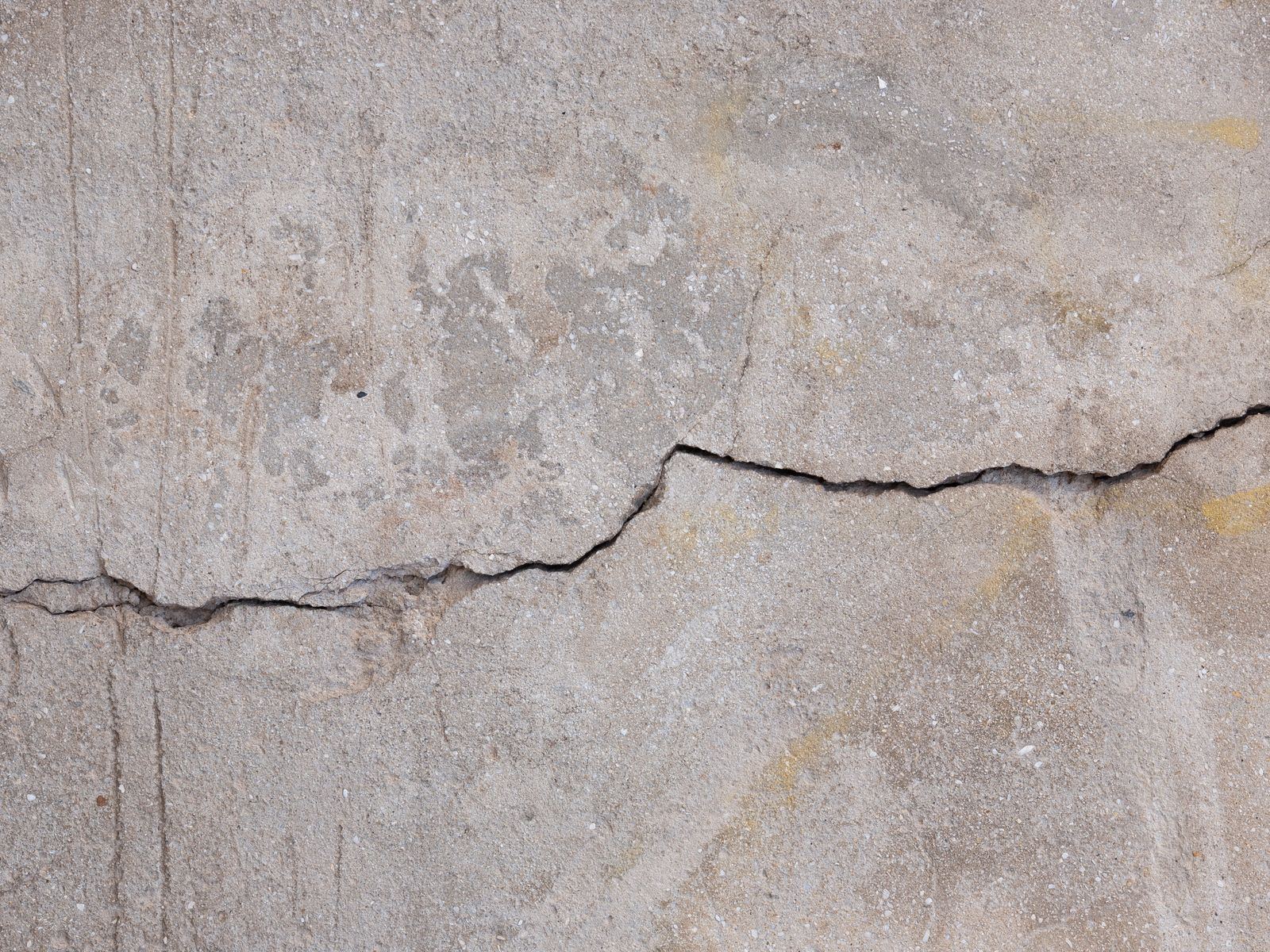
The shape and direction of the crack matter. A line that runs diagonally upwards and outwards from a corner often suggests the ground below has dropped on one side. A vertical hairline crack is more likely to be shrinkage in the plaster or mortar. Knowing the difference helps you decide whether to watch it or call someone.
Homes built on the clay soils around Silverhill and St Leonards move more than those sitting on firmer sandstone. If you have noticed cracking near openings, [cracked walls in Silverhill](/hastings-and-bexhill/silverhill) follow predictable patterns because of the soil type. The same applies to older Victorian terraces where shallow footings react to every dry summer.
Lintel failure versus foundation movement
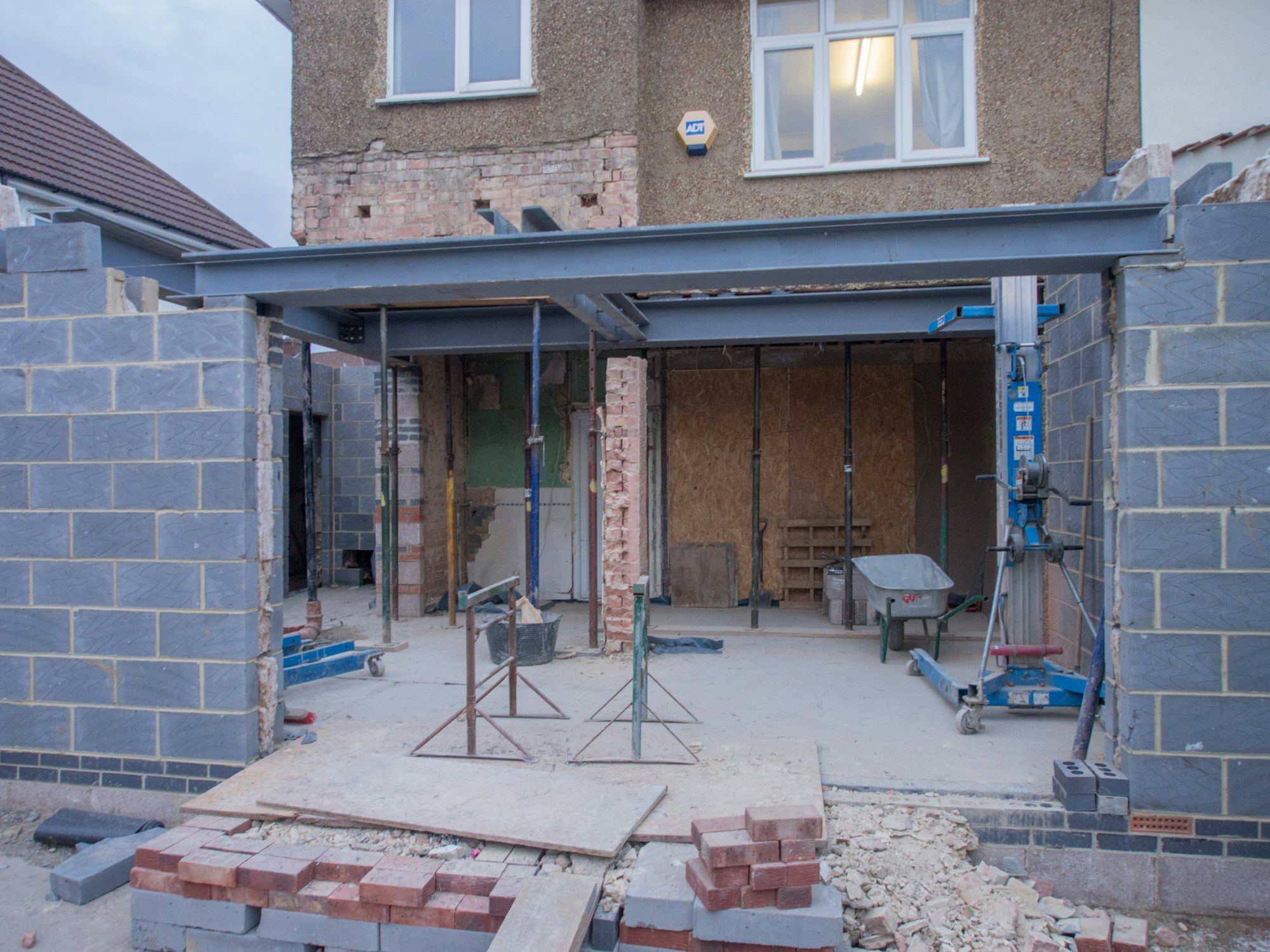
People often assume a cracked wall means the foundations are failing. But the lintel above the window could have failed rather than the foundation. Concrete lintels in homes built between 1950 and 1980 sometimes suffer from steel corrosion inside. The expanding rust pushes the concrete apart, causing lintel failure and cracked brickwork that looks alarming but is localised to the opening itself.
A structural engineer or a subsidence surveyor can tell the two apart. They look for stepped cracking through the mortar joints, which usually means the wall is moving as a whole. Cracking confined to the area immediately above the lintel, especially if the bricks are splitting horizontally, points to the beam rather than the ground.
If the problem is the lintel, a builder can replace it without any underpinning work. If the ground has moved, a specialist firm will need to investigate further. Understanding [the difference between settlement, heave and subsidence](/settlement-heave-or-subsidence) helps clarify why the wall is behaving this way before anyone starts digging trial pits.
Thermal movement and seasonal cracking
Some cracks appear in winter and close again in summer. This happens because materials expand when warm and contract when cold. Thermal movement cracks render and plaster repeatedly over the years, leaving a visible line that never quite disappears. You might notice door frame cracks and a sticking door during humid months when timber swells, only for everything to ease off once the heating goes on.
This seasonal opening and closing is normal in most houses. It becomes a concern when the crack gets slightly wider each year, never fully closing. That progressive widening suggests the movement is no longer just thermal. A crack from a door corner upstairs that grows over several seasons needs attention, because upper floors amplify small movements at ground level.
Monitoring the width with a simple gauge tells you whether the gap is stable. Guidance on [how to monitor a wall crack](/how-to-monitor-a-wall-crack) explains how to fit tell-tales and keep records that a surveyor can read later.
When a crack means the structure is compromised
Knowing when is a crack structural comes down to width, direction and speed. Building research classifies damage by the size of the gap. Hairline cracks under one millimetre are cosmetic. Gaps between one and five millimetres might require filling and redecorating. Anything over five millimetres wide, especially if it tapers from top to bottom, suggests the wall is rotating or dropping.
If the window now sticks and the frame looks out of square, the opening itself has distorted. Glass may crack under the strain, and locks stop meeting their keeps. This distortion means the wall has moved enough to change the geometry of the frame. At that point, cosmetic repair is pointless until the movement stops.
A [subsidence survey in Hastings](/the-repair/subsidence-survey-hastings) establishes whether the ground is still moving. The surveyor digs trial holes, checks drain runs for leaks and measures levels across the floor. Only then can anyone say whether the house needs [mass concrete underpinning](/the-repair/mass-concrete-underpinning-hastings), [mini piled underpinning](/the-repair/mini-piled-underpinning-hastings) or simply time to settle.
Filling cracks before the cause is found
The urge to fill a crack and paint over it is strong, especially if you are worried about selling the house. But filling it too early destroys evidence. A specialist needs to see the raw edges to judge whether the movement is historic or active. Plastering over a growing crack hides the very thing that needs measuring.
If the crack is clearly stable and has not changed in years, a firm carrying out [crack repair in Hastings](/the-repair/crack-repair-hastings) can stitch the masonry and apply a flexible filler. For active movement, they might install [structural monitoring](/the-repair/structural-monitoring-hastings) equipment first, tracking the gap over six to twelve months before deciding on a fix.
Rushing to decorate also complicates insurance claims. Insurers want proof that the damage is ongoing subsidence rather than old settlement. Leaving the crack open until a surveyor has photographed and measured it protects your position. Read more about [whether insurance pays for underpinning](/does-insurance-pay-for-underpinning) before starting any cosmetic work.
Who should look at the wall first
Start with a chartered surveyor or a structural engineer who deals with residential subsidence. A general builder can replace a rotten lintel, but they are not equipped to diagnose ground movement. An underpinning contractor does the physical repair, but the design and diagnosis usually come from a surveyor first. Getting the sequence wrong leads to unnecessary excavation.
In Hastings, the geology varies street by street. Homes near the Old Town sit on sandstone, while those towards Bulverhythe rest on alluvial deposits. A local surveyor understands these variations. If you live outside the main town, firms covering [Bexhill-on-Sea](/hastings-and-bexhill/bexhill-on-sea) or [Pett](/hastings-and-bexhill/pett) deal with the same coastal clays and chalk.
Once the surveyor identifies the cause, they specify the remedy. That might be [resin injection](/the-repair/resin-injection-hastings) to stabilise loose soil, or traditional underpinning. The chosen [underpinning contractors in Hastings](/the-repair/underpinning-contractors-hastings) then price and carry out the work according to that specification.
How a window crack investigation proceeds
- 1
Record the crack
You measure the width and length, note the date, and photograph it against a coin or ruler for scale.
- 2
Arrange a survey
A structural surveyor visits your home, inspects the wall, checks drainage and examines the soil conditions.
- 3
Monitor movement
If the cause is unclear, the surveyor fits gauges to track whether the crack widens over several months.
- 4
Specify the repair
Once diagnosed, the surveyor writes a report detailing whether the home needs underpinning or lintel replacement.
- 5
Complete the work
A specialist contractor carries out the specified repair, after which the surveyor signs off the finished job.
Questions about cracks near windows and doors
If your question is not here, send an enquiry and someone will answer it directly. Ask a question.
- There is a diagonal crack from the corner of our window, is that serious?
- A diagonal crack wider than two millimetres that tapers from top to bottom often indicates ground movement rather than surface shrinkage. If it has appeared suddenly or grown over weeks, a surveyor should inspect it promptly to determine whether the foundations are shifting.
- Could the lintel above the window have failed rather than the foundation?
- Yes. Corroded steel inside concrete lintels expands and splits the surrounding brickwork. This produces horizontal cracking directly above the opening without the stepped pattern typical of subsidence. A surveyor distinguishes between lintel failure and foundation movement during their inspection.
- How wide does a crack have to be before I should call someone?
- Cracks under one millimetre are usually cosmetic. Once a gap reaches three to five millimetres, or if you can fit a coin into it, arrange a professional assessment. Any crack that is actively widening regardless of its current size warrants attention.
- Why do the cracks above our doors open and close with the weather?
- Timber frames swell in damp conditions and shrink when dry, pushing against the surrounding masonry. Temperature changes also cause expansion and contraction. If the crack returns to exactly the same width each season, it is thermal movement. Progressive widening means something else is happening.
- The window now sticks and the frame looks out of square, what does that mean?
- Distortion of the frame means the wall opening has changed shape. This usually results from differential movement, where one side of the wall drops lower than the other. It requires a structural assessment to find out whether the ground or the lintel is responsible.
- Should I fill the crack now or leave it so movement can be measured?
- Leave it unfilled until a surveyor has examined and recorded it. Filling the crack removes the evidence needed to judge whether movement is historic or ongoing. Once the assessment is complete, the specialist advises on the correct repair method.
- Who looks at this first, a builder, a surveyor or an underpinning contractor?
- A chartered surveyor or structural engineer should assess the property first. They diagnose the cause and specify the remedy. Builders handle straightforward lintel replacements, while underpinning contractors execute ground repairs designed by the surveyor.
- What does an assessment of cracking above a window cost in Hastings?
- A specific structural inspection for cracking typically costs between four hundred and eight hundred pounds, depending on the size of the home and the complexity of access. A full subsidence survey involving trial pits costs more, usually ranging from fifteen hundred pounds upwards.
Get help with a crack near your window
Send details of the crack and your address. A surveyor reviews the information and calls you back to discuss whether a site visit is necessary. There is no obligation to proceed with any repair work.
- No obligation to proceed
- Local surveyor response
- Advice before any work