How it works
How underpinning works, from survey to repair
A crack or a sticking door means the ground beneath your home has moved. The specialist firm investigates, explains what they find and carries out the repair. Here is how that process works from first contact to finished job.
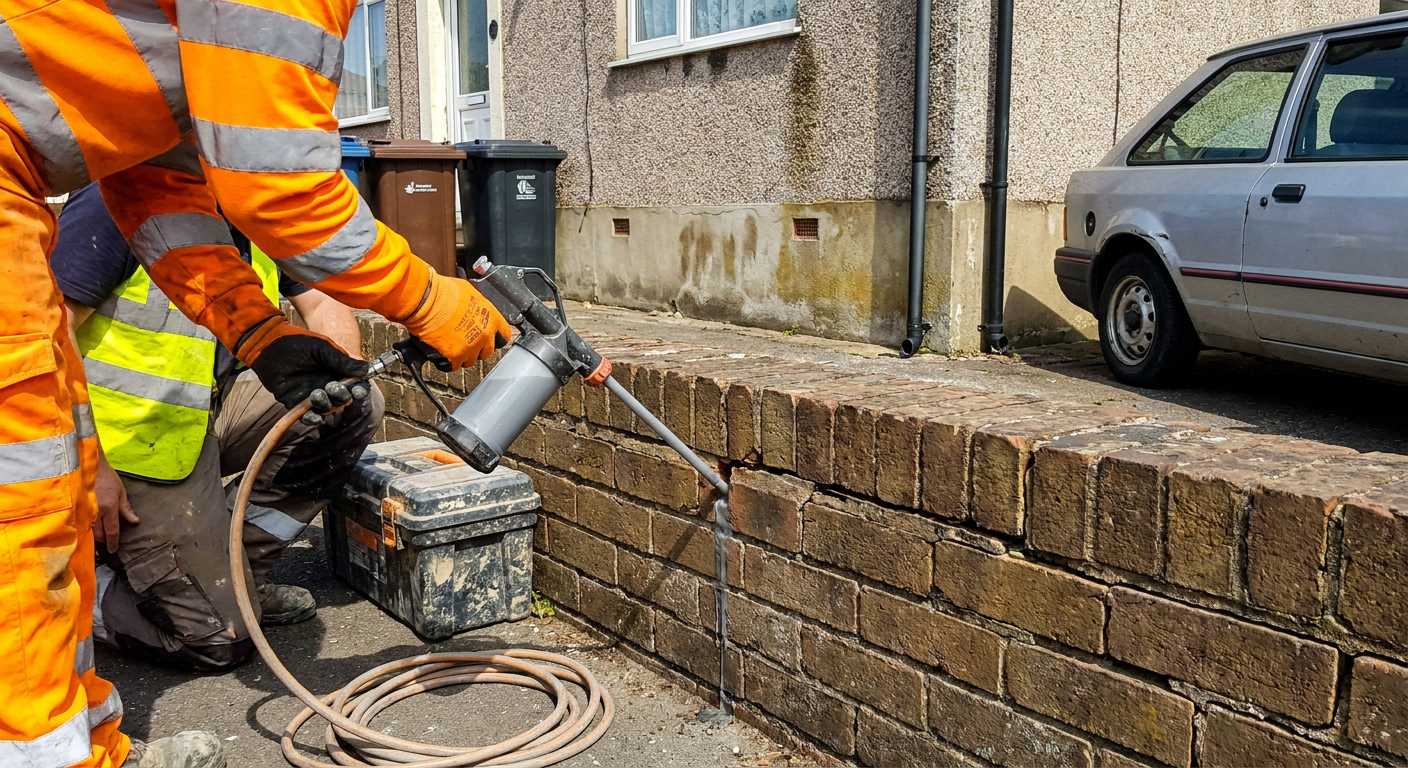
Why underpinning costs differ between homes
Every home sits on different ground. The cause of movement, the depth of stable soil and the type of wall all shape the work the specialist firm must do.
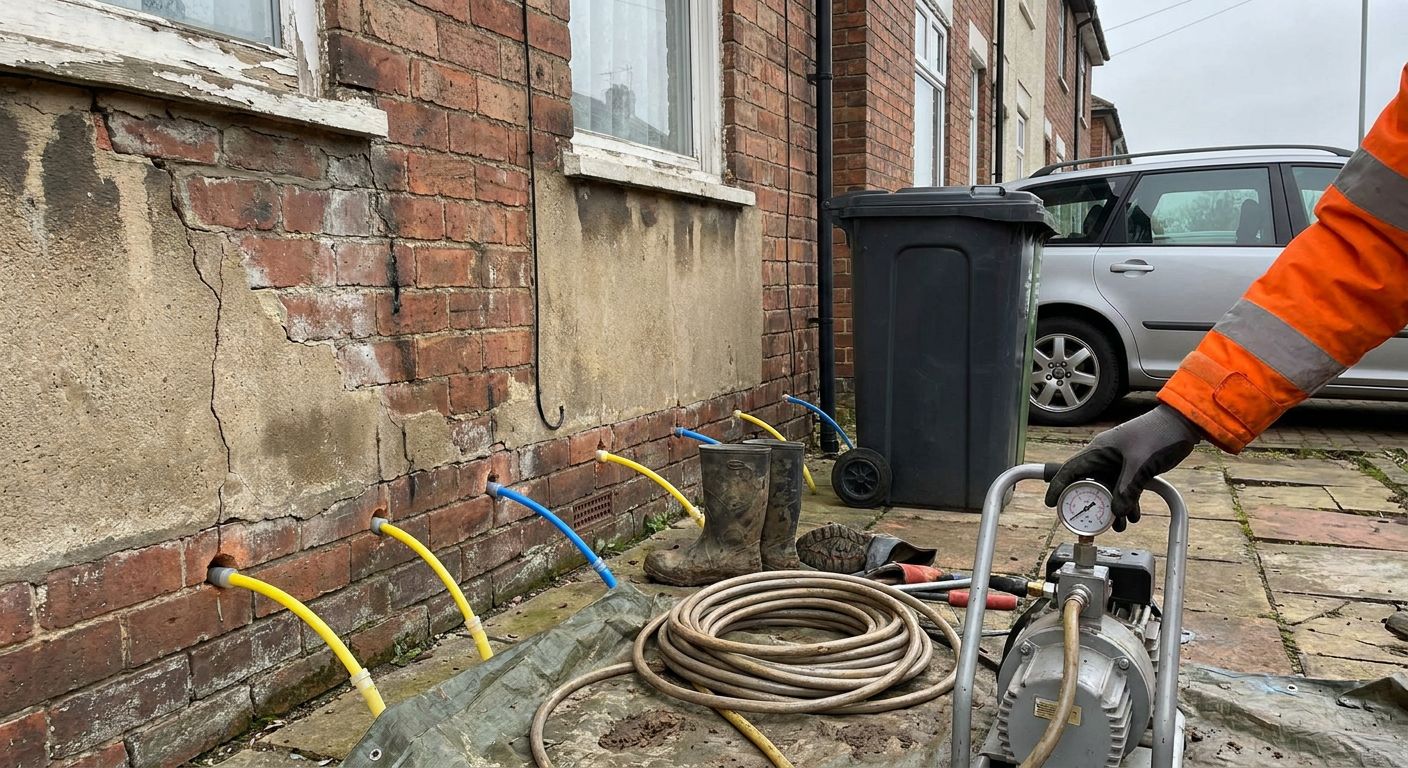
- Cause of movement
- Clay shrinkage needs a different approach than sand washed away by a leaking drain. The cause dictates the method.
- Depth to stable ground
- Shallow footings need less excavation. Deeper problems require mini piled underpinning to reach load-bearing strata.
- Access around the home
- Narrow streets or tight gardens limit machinery size. Restricted access adds time to the preparation.
- Wall construction
- Solid brick, cavity block or timber frame each demand specific fixings and repair techniques.
The specialist firm sets out the full cost before any agreement is signed.
What you receive after the survey
A subsidence survey produces evidence. The specialist records measurements, identifies the cause of movement and writes down exactly what needs doing so you can make an informed decision.
- Written report
- A document setting out the cause of movement, the affected walls and the recommended repair method for your home.
- Scope of works
- A specification detailing the exact steps the contractor will take, so you know what the job involves.
- Monitoring data
- Records from tell-tales or pins showing whether the crack is still moving or has stopped.
Describe what you have noticed
Send details of the crack or movement you see at home. A specialist reviews the information and replies with advice. Sending an enquiry does not commit you to any work.
- No obligation
- Local specialists
- Clear advice