Guide
House on a slope cracking: what causes the movement
Homes built on the ridges and steep plots of Hastings and St Leonards often show cracks where the ground moves. Find out what causes them, how retaining walls and terraces affect foundations, and what a specialist checks.
Why a house on a slope cracking matters here
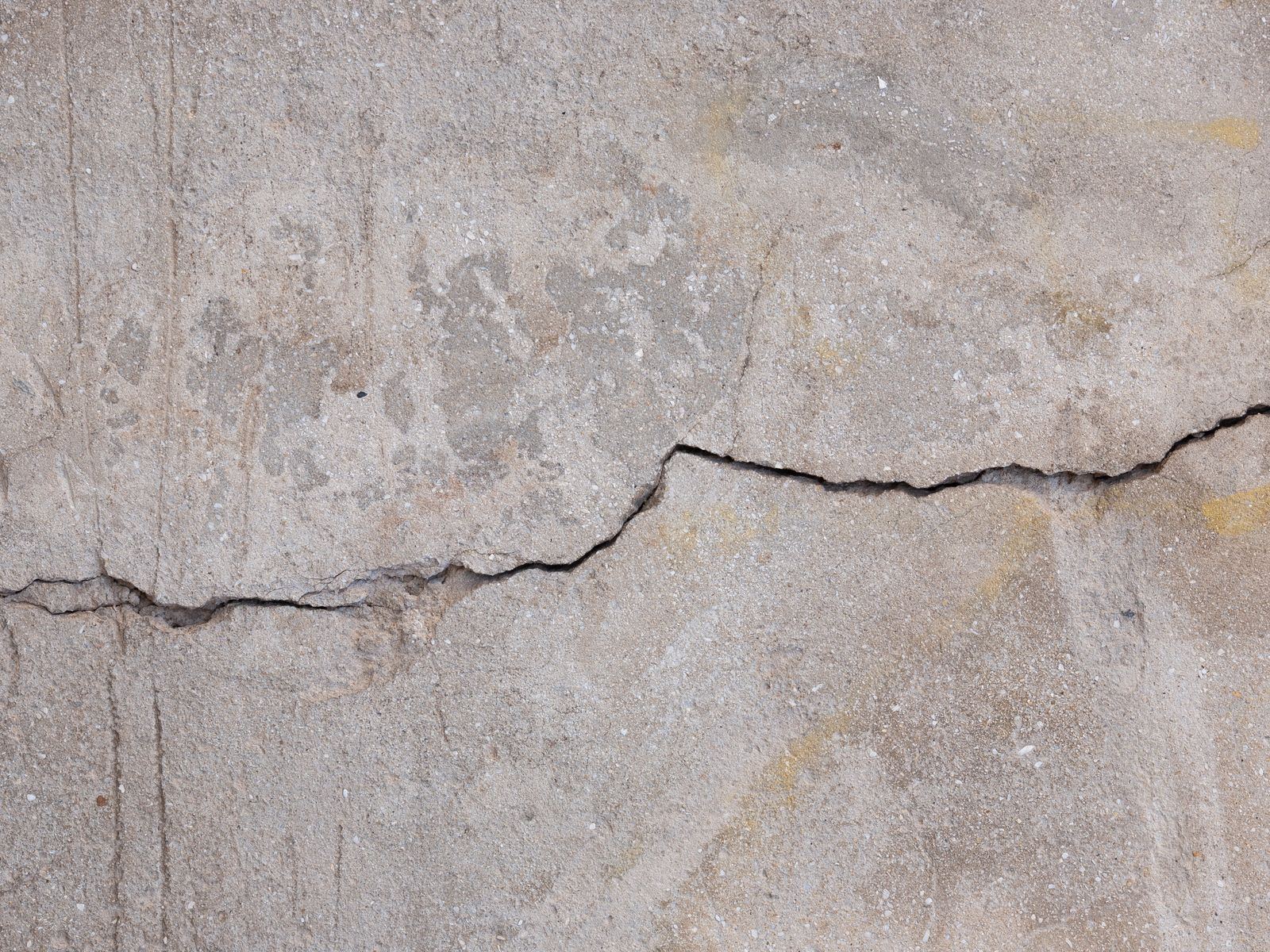
A house on a slope cracking is a common sight across Hastings and St Leonards. The town sits on ridges of sandstone and clay, with many homes cut into hillsides rather than built on flat ground. When the earth shifts, even slowly, the walls above it move too.
Ground creep slope house damage happens over years rather than days. Rain softens the Wadhurst Clay beneath the Hastings Beds sandstone, and gravity pulls the saturated soil downhill. A house built into hillside cracks usually shows this movement first at the lowest point, where the foundation bears the greatest sideways pressure.
The problem is rarely sudden. Hairline fractures widen over successive winters. Doors begin to stick. Plaster separates from brickwork. Because the movement is gradual, it is easy to dismiss until a crack runs through a lintel or a floor slopes visibly. Read more about [how settlement differs from subsidence](/settlement-heave-or-subsidence) to understand what the signs mean for your home.
Retaining walls and garden terracing
Many gardens in Hastings are held back by brick or blockwork retaining walls. These structures take the weight of the soil behind them, plus any water that gathers after rain. When a wall leans or bulges, the ground above it loses support, and the effect reaches the house.
Retaining wall failure garden house problems often start at the base. Water pressure builds up behind the wall if drainage holes are blocked or missing. The wall pushes outward, and the terrace above it sags. You can read more about [retaining walls in Hastings gardens](/stories/retaining-walls-in-hastings-gardens-bulges-and-cracks) and the specific failures seen locally.
Walls moving downhill terrace by terrace transfer load unevenly. If your home has multiple levels of garden dropping away from the back door, each wall depends on the one below it. A structural engineer will look at the whole chain, not just the cracked section nearest the house. [Crack repair](/the-repair/crack-repair-hastings) addresses the symptom, but the wall holding the garden must be sound first.
What a specialist checks on a steep plot
Before suggesting any work, a specialist firm carries out a steep plot subsidence survey. This goes further than looking at the cracks themselves. The surveyor examines the gradient, the type of soil, the depth of the existing footings and the condition of any drains running under or near the house.
Trial pits might be dug to see exactly where the foundation sits in relation to the slope. Boreholes reveal the layers of sandstone and clay underneath. Understanding these conditions is essential before planning [hillside foundation repair in Sussex](/the-repair/foundation-repair-hastings).
The survey also records how water moves across the site. Springs and ghyll streams are common features in Hastings, and they wash fine particles out of sandy ground over time. Learn how [water affects foundations locally](/stories/water-washing-out-sandy-ground-beneath-a-foundation). Where access is tight, as it often is on narrow streets climbing the ridge, the surveyor notes how equipment would reach the site, since [access changes the method used](/stories/site-access-for-underpinning-on-narrow-hastings-streets).
How foundations are stabilised on a gradient
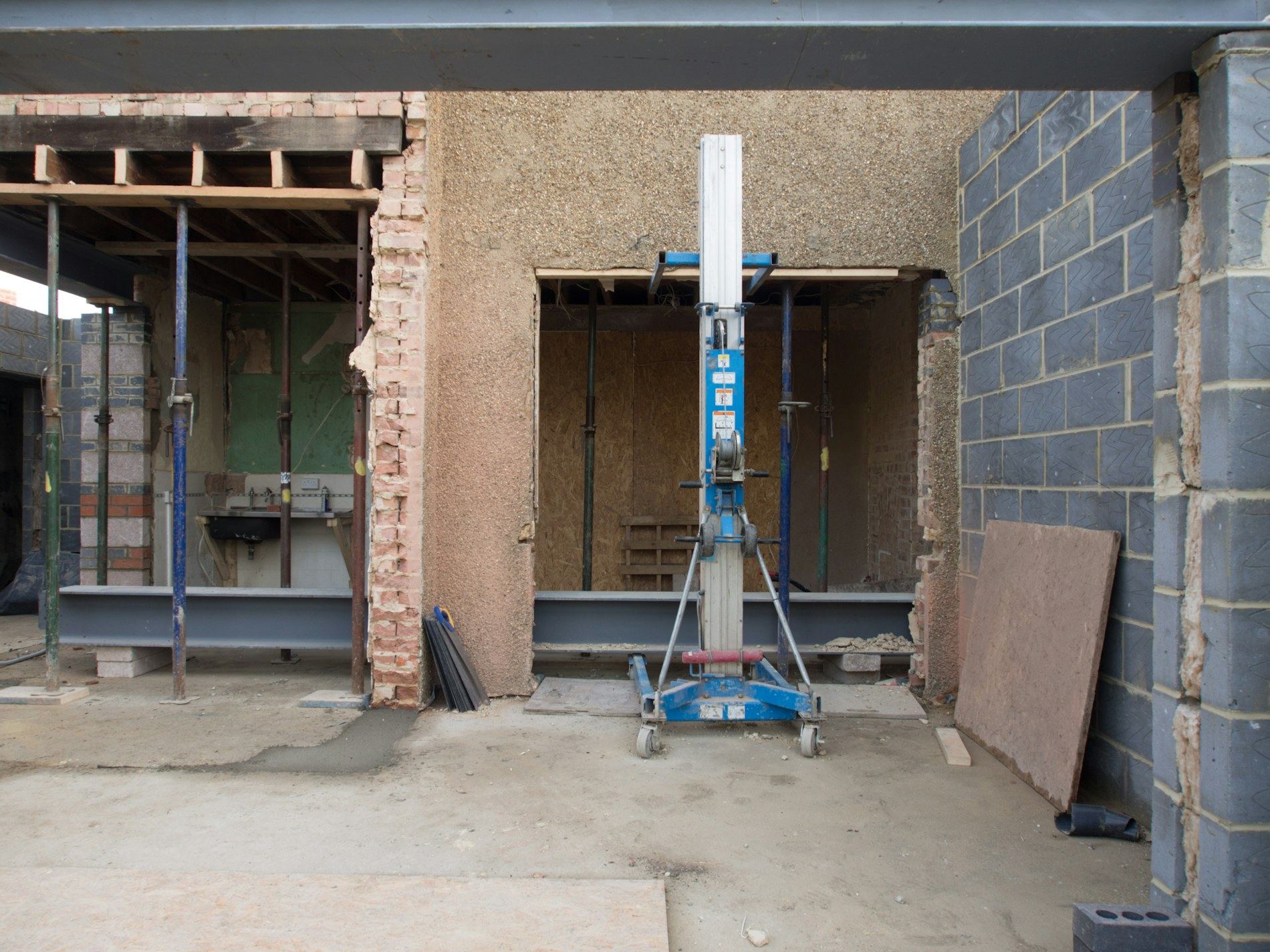
Stabilising a home on a slope requires different methods depending on how deep the firm ground lies. Mass concrete underpinning extends the footing downward in sections, pouring concrete into excavated bays beneath the existing wall. This works well where solid strata are within reach. See how [mass concrete underpinning](/the-repair/mass-concrete-underpinning-hastings) is carried out step by step.
Where the stable layer is deeper, mini piled underpinning drives steel-cased piles through the loose surface material down to bedrock or firm clay. The piles carry the load of the house past the moving soil entirely. Read about [mini piled underpinning](/the-repair/mini-piled-underpinning-hastings) for homes where shallow repairs have failed before.
In some cases, resin injection binds loose ground together without excavation. The specialist pumps expanding resin into the soil beneath the footing, compacting it in place. This suits situations where digging is impractical or where the movement is limited. Find out what [resin injection involves](/the-repair/resin-injection-hastings) before deciding which approach fits your home.
Monitoring movement before committing to work
Not every crack demands immediate repair. A specialist may recommend monitoring the movement over several months to establish whether the ground is still shifting or has settled. Tell-tales fixed across a crack record its width at set intervals, building a picture of seasonal change.
Heavy autumn rain frequently accelerates movement. Saturated clay swells, then shrinks as it dries, opening and closing gaps in masonry. Tracking these changes helps distinguish active subsidence from old, stable damage. Read why [cracks worsen after heavy rain](/cracks-after-heavy-autumn-rain) and how seasonal patterns affect diagnosis.
If the data shows ongoing movement, the specialist uses those readings to design the repair. Structural monitoring avoids unnecessary work on cracks that stopped moving years ago. Learn how [structural monitoring](/the-repair/structural-monitoring-hastings) informs decisions. For buyers purchasing a hillside home, requesting existing monitoring records reveals whether previous owners tracked the problem or simply filled the cracks.
What shapes the cost of stabilising a sloping site
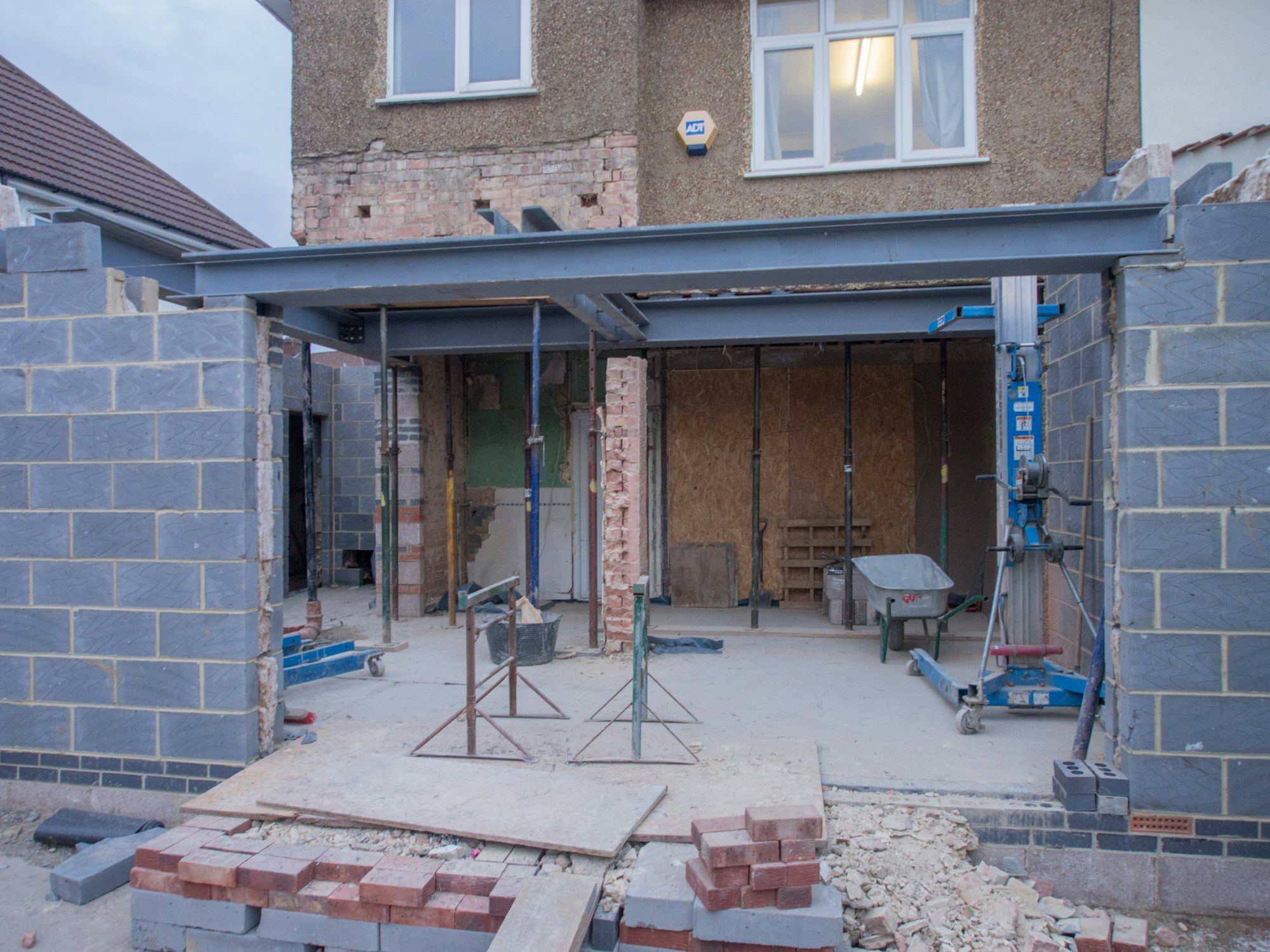
Every hillside home in Hastings sits on different ground, at a different angle, with different footings. The work required changes accordingly.
- Depth to firm ground
- Deeper stable strata require longer piles or more excavation, increasing materials and time on site.
- Gradient of the plot
- Steeper slopes need more complex temporary support during excavation to keep the remaining ground safe.
- Access for machinery
- Narrow lanes and stepped gardens limit the size of plant a contractor can bring to the site.
- Condition of retaining walls
- Failed garden walls must be rebuilt or tied back before the house foundations can be addressed properly.
- Drainage faults
- Broken drains washing out soil add repair steps before any underpinning begins.
The specialist explains the full cost of your particular job before you agree to anything.
Questions about houses cracking on slopes
Why are the cracks on the downhill side worse?
Gravity pulls the saturated soil toward the lower edge of the plot. The downhill wall takes more lateral pressure, so its foundations shift further and faster than those on the uphill side.
Can underpinning actually stop slow slope movement?
Yes, if the piles or new footings reach stable ground below the moving layer. Surface repairs alone fail because the soil keeps creeping. Deep foundations bypass the unstable zone entirely.
How do I know if the retaining wall is the problem?
Look for leaning, bulging or horizontal cracking in the garden wall. If the terrace above it has sunk, or if the house wall nearest it shows matching diagonal cracks, the retaining structure is likely failing.
Does terracing a steep garden affect the foundations?
Terraces redistribute soil weight. Removing or altering them changes the load on the ground behind. Poorly drained terraces also trap water against the house footings, accelerating movement.
What would a specialist check on a steep plot?
They examine the soil layers, measure the gradient, inspect drains, assess retaining walls and dig trial pits to find the depth of the existing footings relative to stable ground.
How much does it cost to assess a hillside house?
The fee depends on how many trial pits, boreholes or monitoring points the site requires. A steep, complex plot needs more investigation than a gentle slope. The specialist quotes this separately.
Can heavy rain make slope movement worse over winter?
Rain saturates clay, making it heavier and weaker. On a slope, this extra weight increases the downhill pull. Blocked gutters or surface drains concentrate water exactly where it causes the most harm.
Buying a hillside house in Hastings: what should we ask?
Ask for any structural surveys, monitoring records or insurance claims related to subsidence. Check whether retaining walls have been rebuilt recently. Request details of any past underpinning work.
Ask about your home on a slope
Send the details of what you have noticed. A specialist reviews the information and advises whether a site visit is needed. There is no obligation to proceed with any work.
- No commitment required
- Local specialists only
- Clear next steps