Mini piled underpinning in Hastings
Find out why mini piles suit terraced homes with narrow gardens and steep plots. Learn what a specialist weighs when choosing piling over mass concrete, how the rig gets in, and what happens after you enquire.
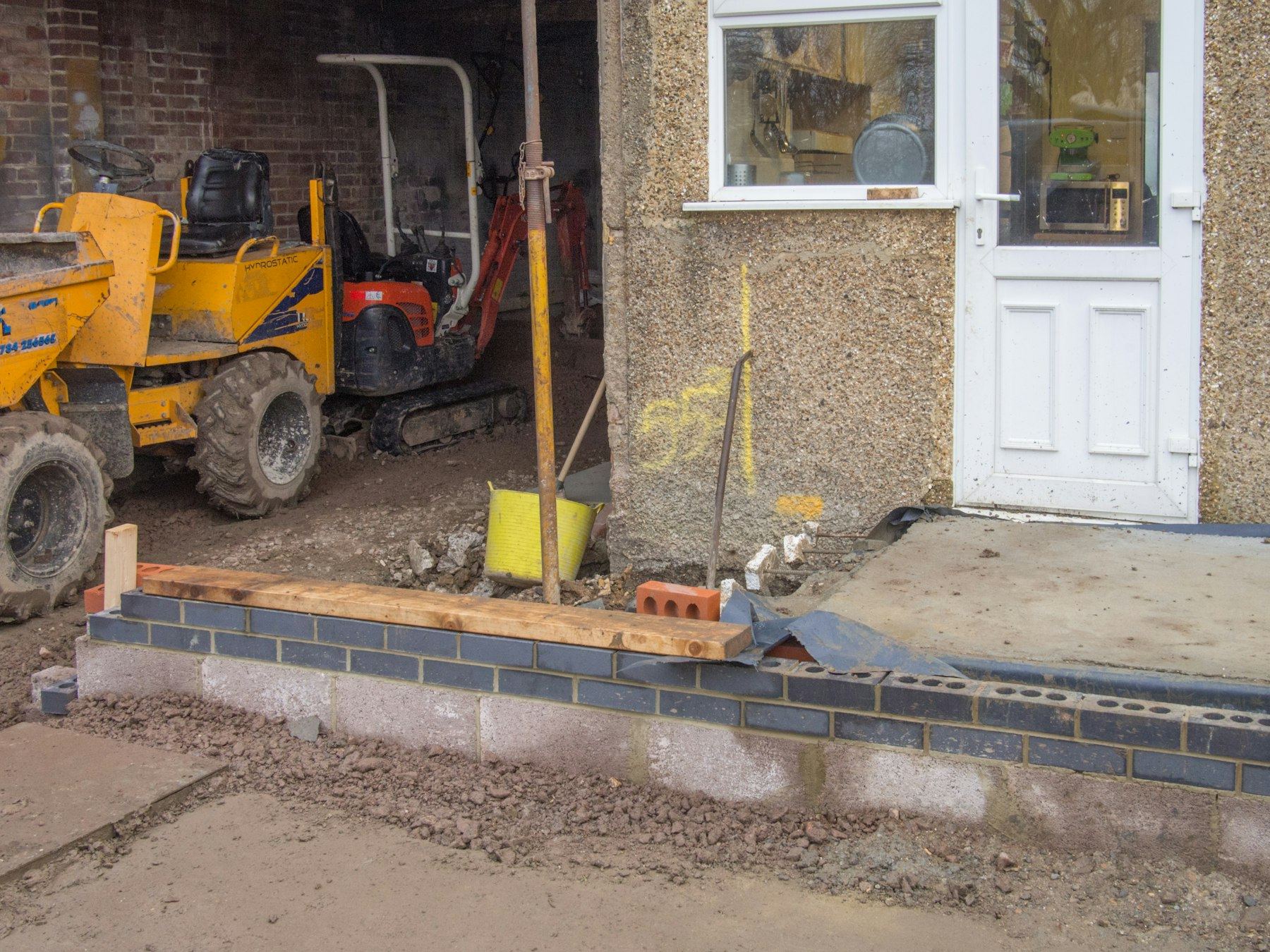
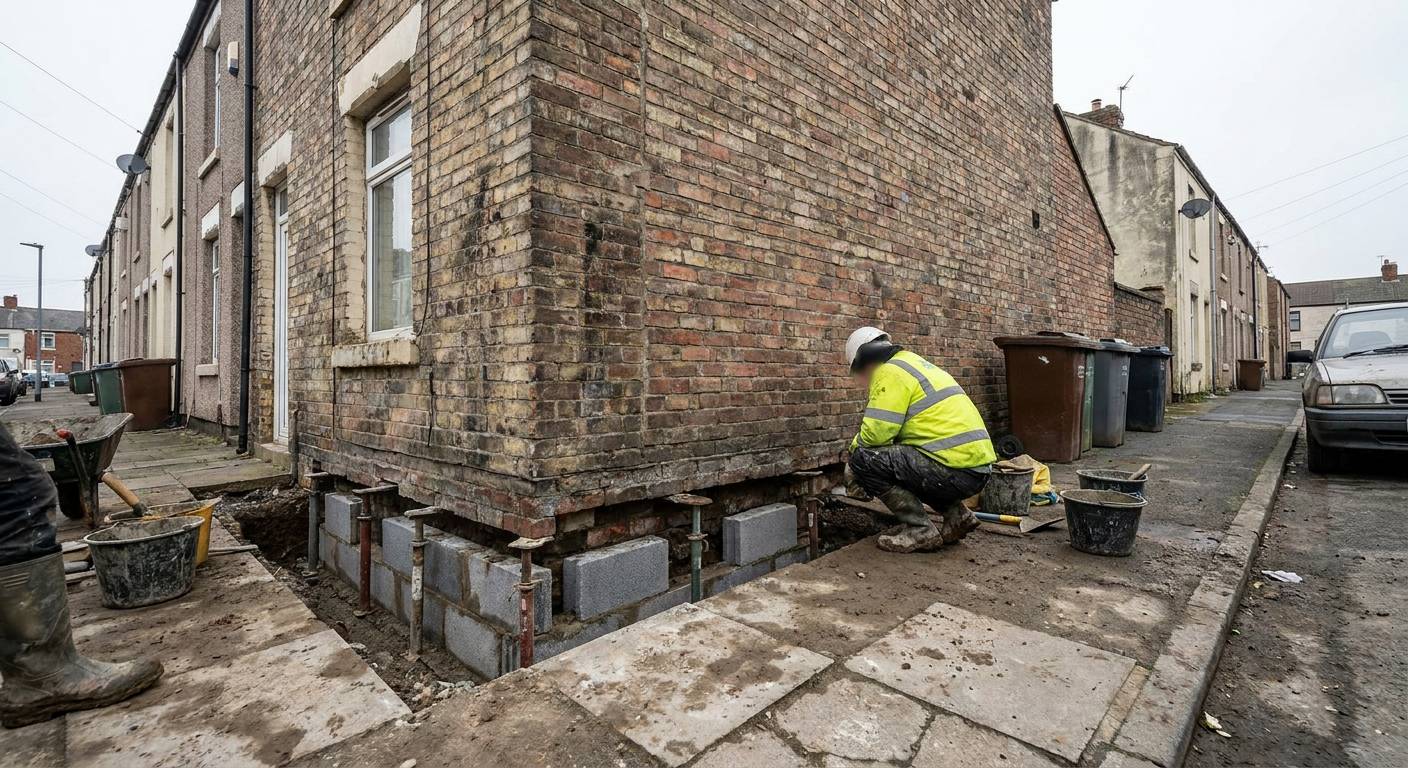
Why piles are used
When ground or access rules out concrete
A subsidence survey in Hastings often reveals conditions where digging a trench for mass concrete is impractical or unsafe.
- Narrow rear gardens Terraces leave no side passage, so equipment must work from the back door.
- Variable soil depths Steep plots above the Old Town sit on layers that change depth rapidly.
- Weak bearing strata Soft clay or fill means shallow footings cannot carry the wall load.
- Adjoining structures Shared walls require a method that avoids disturbing the neighbour's foundations.
What changes the cost of installing mini piles
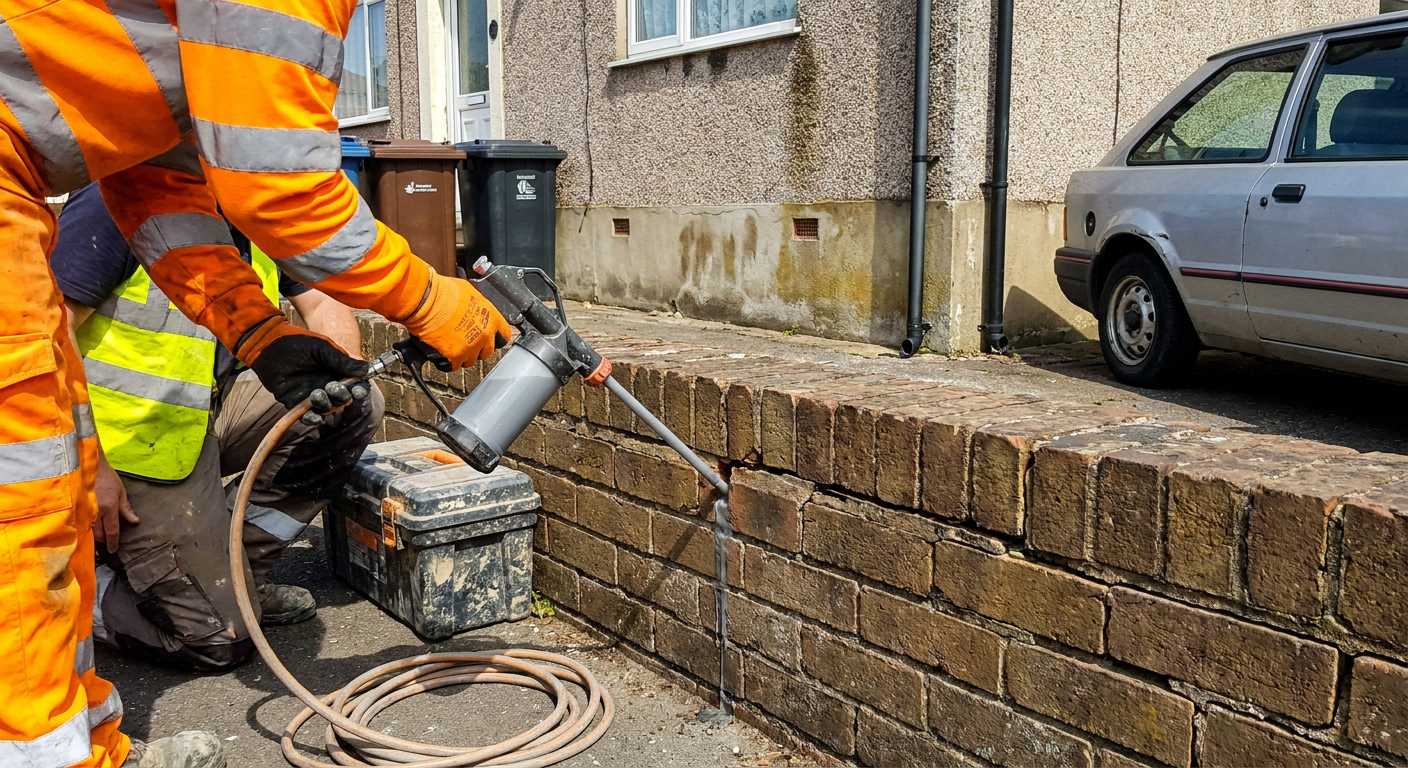
Every home sits on different ground and has its own access constraints. The specialist firm assesses these variables before quoting for foundation repair in Hastings.
- Depth to stable ground
- Deeper piles need more sections and longer drilling time, increasing material and labour requirements.
- Garden access width
- A smaller gap forces the use of a compact mini piling rig, which works slower than larger plant.
- Number of piles required
- More piles mean more steel, grout and machine hours to complete the row beneath the wall.
- Ground obstructions
- Old footings, tree roots or buried services slow down drilling and may require repositioning.
The specialist explains the full cost of your particular job before any work is agreed.
How the work proceeds
Installing piles under a terrace
- Site setup through the house
- Where side access is absent, the contractor brings a mini piling rig through the hallway or rear door into the garden. Floor protection goes down first to prevent damage inside the home.
- Drilling and casing
- Steel casings are driven or bored down until they reach a firm stratum. On steep plots this can mean going several metres deeper than on level ground nearby.
- Grouting and reinforcement
- Once the hole is open, a steel cage is lowered in and filled with concrete or grout. Screw piles offer an alternative for subsidence repair where vibration must stay low.
- Needle beams and load transfer
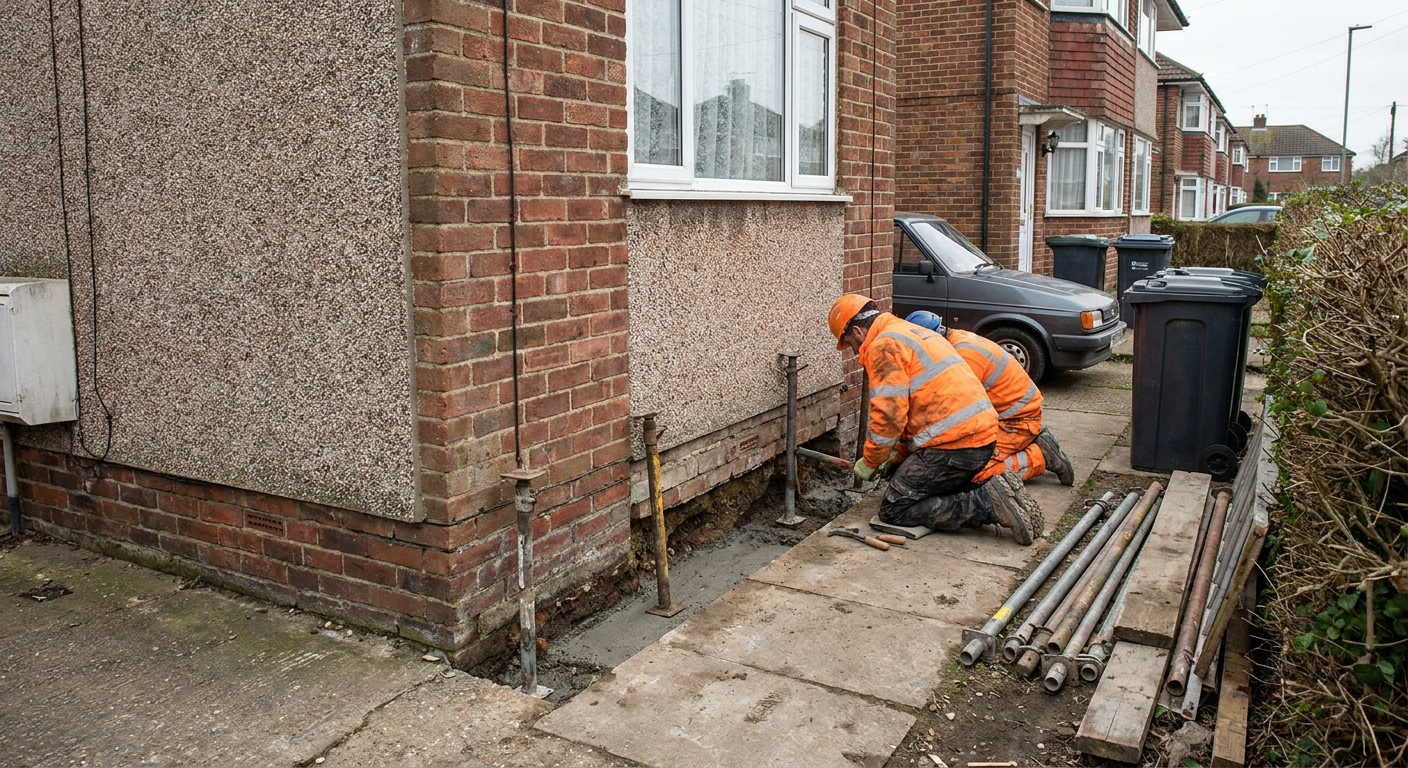
- Reinforced concrete needles tie the new piles to the existing wall. The specialist then jacks the structure onto the piles, stabilising the footing without excavating a continuous trench.
Choosing between piling and mass concrete
Both methods stop subsidence, but ground conditions and space dictate which one a specialist will specify for your home.
Mini piles
- Access needed
- Fits through a doorway; suits terraces with no side passage.
- Suitable ground
- Reaches deep or variable strata safely.
- Vibration and noise
- Low-vibration options protect shared party walls.
- Disruption at home
- Rig operates outside once positioned; rooms stay usable.
Mass concrete
- Access needed
- Requires a trench wide enough for workers alongside the wall.
- Suitable ground
- Relies on firm soil close to the existing footing depth.
- Vibration and noise
- Hand digging keeps noise down but takes much longer.
- Disruption at home
- Trenches run along walls, sometimes requiring floor removal.
A specialist advises which method suits your home after examining the ground and structure.
Areas covered for piled foundations near Hastings
Specialist firms handle mini piled underpinning across the borough and neighbouring parishes. Steep streets in the town centre, Victorian terraces in St Leonards and rural plots in Pett all present distinct ground challenges.
If your street is not listed, send an enquiry to check coverage for your home.
Ask about mini piled underpinning for your home
Send details of the cracking or movement you have noticed. A specialist firm reviews your message and arranges a site visit to assess the ground. Enquiring does not commit you to any work.
- No obligation to proceed
- Site visit arranged locally
- Specialist handles the survey