About us
Who fixes subsidence in Hastings and how enquiries work
Hastings Underpinning receives enquiries about subsidence, cracked walls and failing foundations across Hastings. Separate specialist firms carry out the surveys, monitoring and repair work. Find out how an enquiry moves from this site to a finished job on your home.
What this firm does
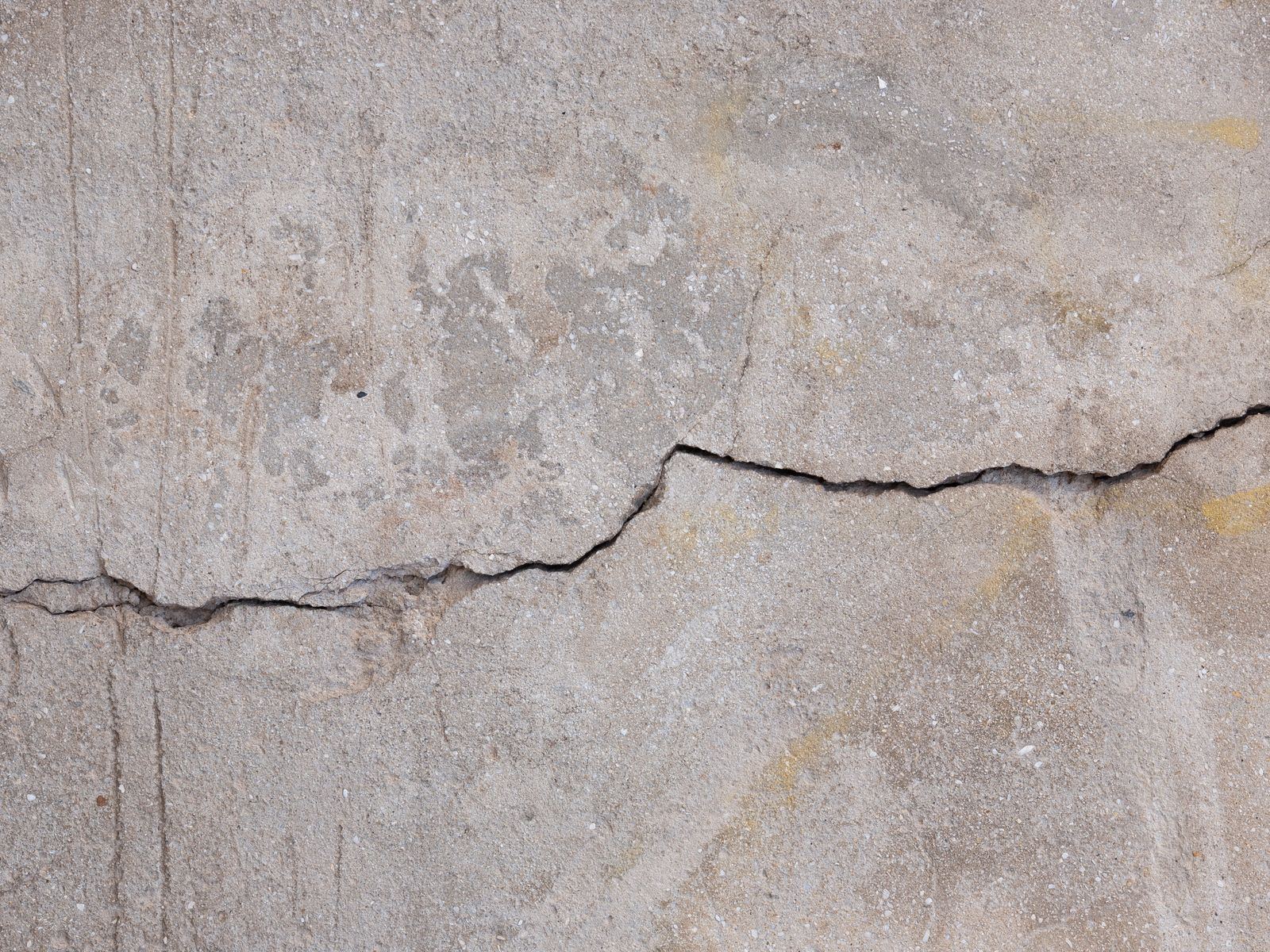
Hastings Underpinning is a local business that takes enquiries from people worried about their homes. If you have noticed a crack widening above a door frame, or a floor sloping where it used to be level, you can send the details here.
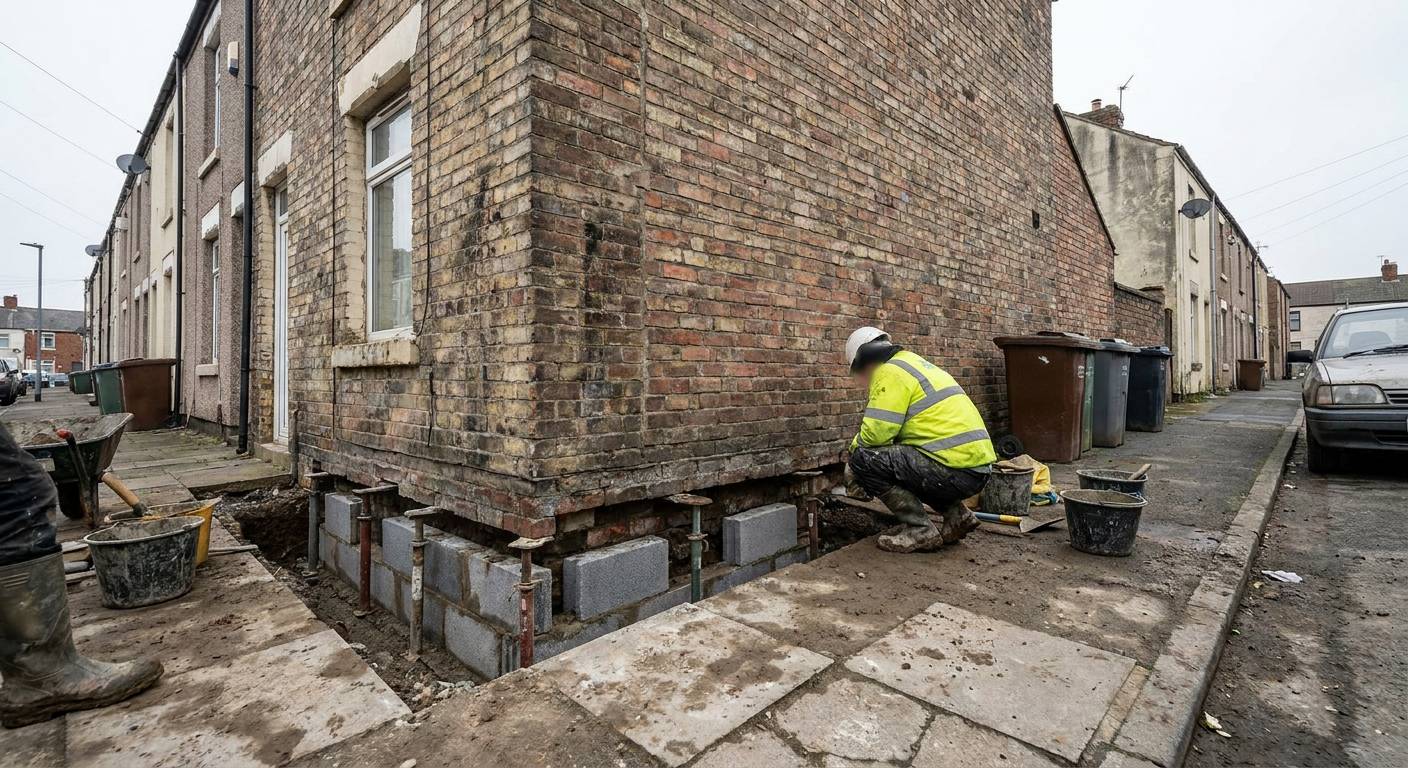
The firm does not carry out the physical work. It receives your description of the problem and passes it to specialist firms that handle underpinning, foundation repair and structural surveys in Hastings. Those specialists employ the engineers who visit your home, dig trial pits and pour concrete.
This separation means the person answering your initial message is focused entirely on understanding what you have seen, while the firm doing the repair brings its own equipment and expertise to the site. You get a single point of contact at the start, then a direct line to the contractor doing the job.
The ground beneath Hastings
Homes in this area sit on varied geology. The Hastings Beds sandstone and Wadhurst clay shift differently when wet, and old sandstone caves run beneath parts of the Old Town. Spring lines and ghyll streams add water to soil that was already prone to movement.
A subsidence survey identifies which of these local factors is affecting your home. The specialist digs trial pits or drills boreholes to see what lies below your walls. That evidence determines whether the fix requires mass concrete underpinning, mini piled foundations driven deeper into stable ground, or resin injection to bind loose soil together.
Because the ground changes so much between streets, the survey must happen on your specific plot. A house on a slope cracking downhill faces different forces to one on flat land near Bulverhythe. The specialist reads those conditions before recommending any repair.
From first crack to finished repair
Most enquiries start with something small. A hairline crack appears after heavy autumn rain, or a window starts sticking in its frame. You might try to monitor the wall crack yourself using tell-tales and dated photographs to see if it grows.
When the movement continues, a specialist visits to assess whether the cause is settlement, heave or subsidence. Each demands a different response. Settlement often stops on its own. Subsidence usually requires intervention.
The repair itself depends on what the survey finds. Crack repair stitches and fills damaged masonry once the ground is stabilised. Basement underpinning lowers a floor while strengthening the footings beneath it. Structural monitoring tracks the walls over months to confirm the movement has stopped. Every stage is recorded so you have proof of what was done and why.
Where the work happens
The specialists cover the whole stretch of coast and inland parishes. In Hastings town centre, narrow streets and terraced houses mean access for underpinning equipment needs careful planning. St Leonards has large Victorian homes that often require deep foundations to arrest long-term movement.
Further out, Silverhill sees cracked walls where clay shrinks in summer. Bexhill-on-Sea has its own pattern of ground failure, and the coastal strip at Bulverhythe deals with settling walls near the sea. Villages like Pett and Westfield have older cottages built on shallow footings that were never designed for modern drainage patterns.
Each location shapes the method the specialist chooses. The same problem in two different postcodes might need two entirely different repairs.
Stages of a typical underpinning job
A specialist follows a set sequence from first visit to final sign-off. The exact steps depend on the ground and the building.
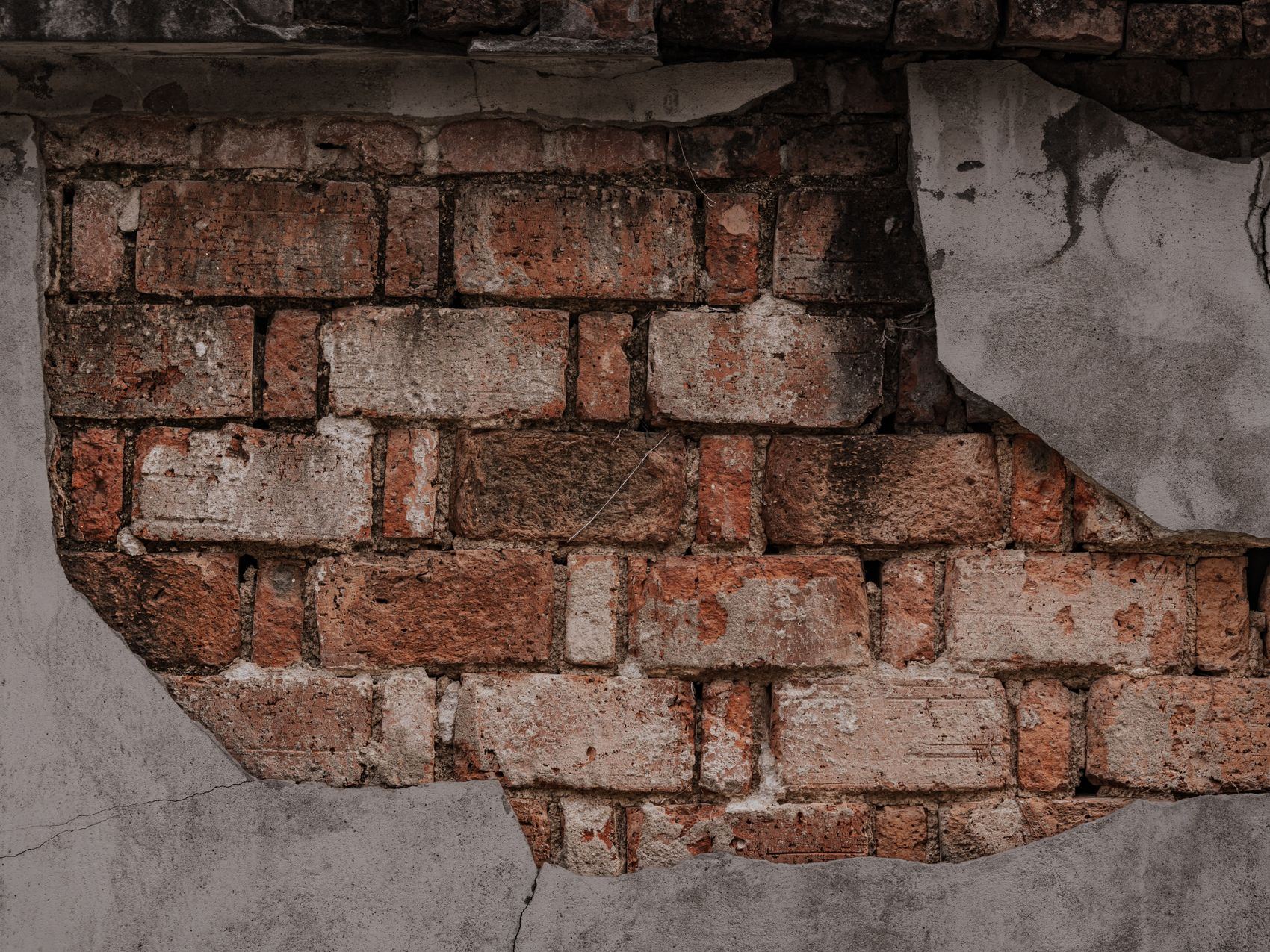
Site survey
The specialist inspects the damage, checks drainage and records crack widths across your home.

Ground investigation
Trial pits or boreholes reveal the soil type, moisture content and depth of existing footings.
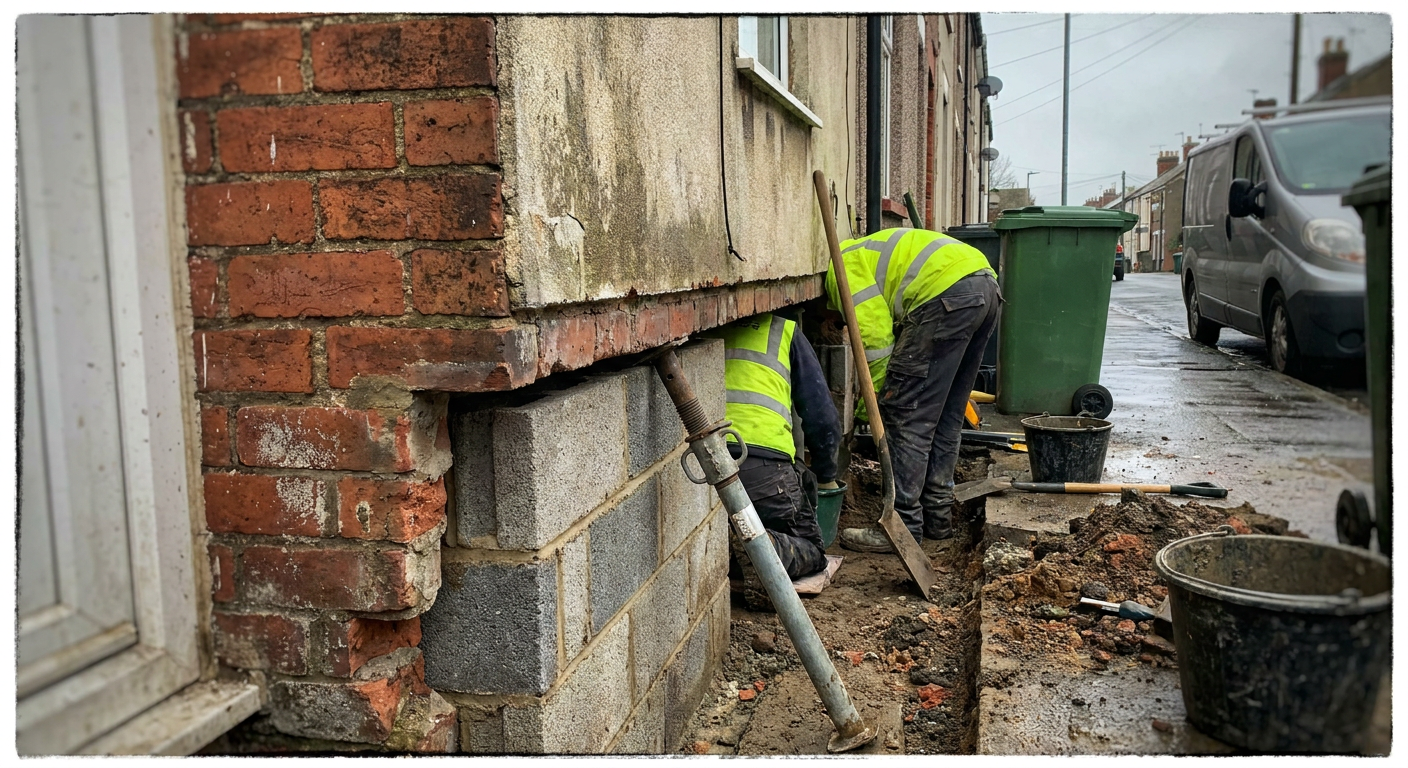
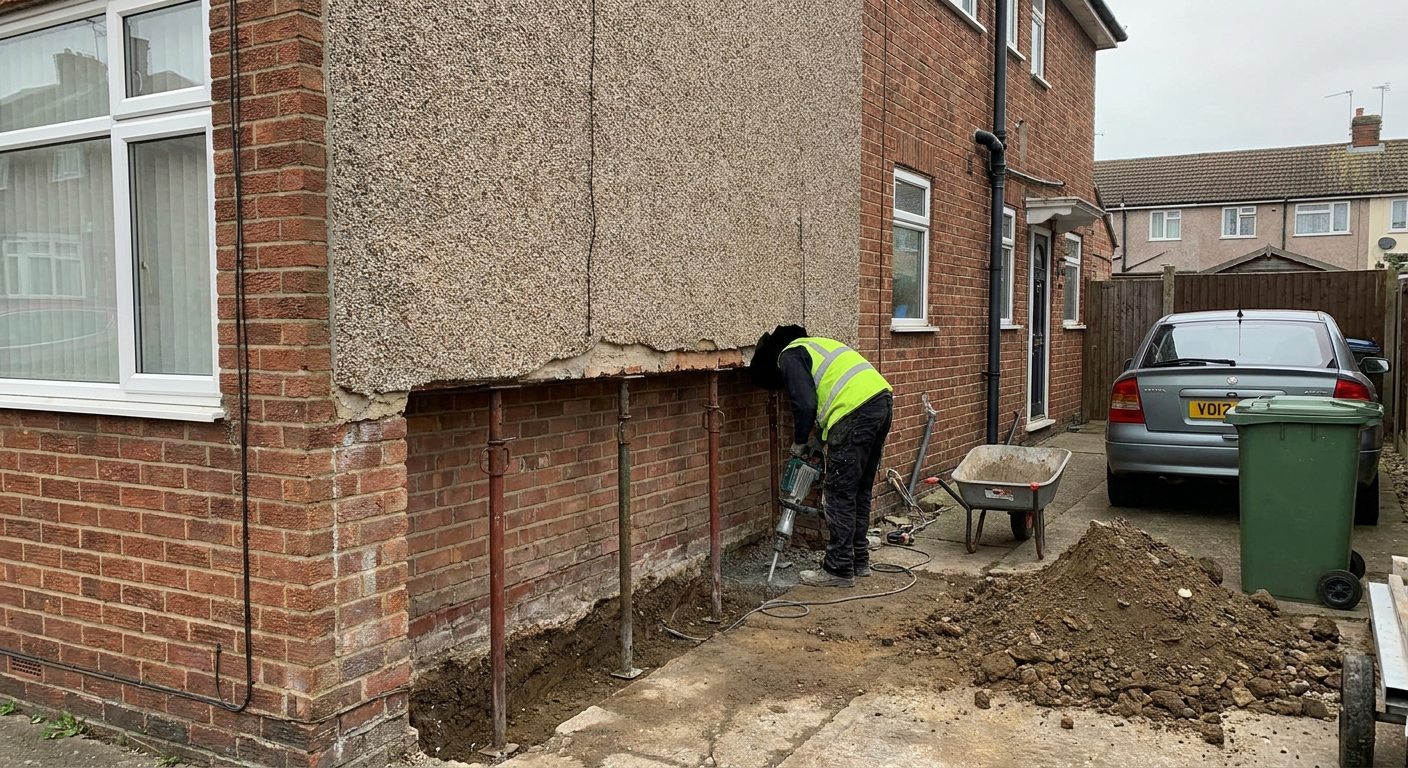
Underpinning work
Concrete is poured in bays beneath the foundation, or piles are driven to stable ground.
Monitoring period
Gauges track the walls over several months to confirm the movement has fully stopped.
Documents you receive from the specialist
Every decision rests on measured evidence. The specialist records what they find, what they recommend and what they do, leaving you with written proof at each stage.
Survey report
A written record of the damage, the soil conditions found and the recommended method of repair.
Method statement
Step-by-step details of how the specialist will carry out the work on your home safely.
Completion certificate
Confirmation that the repair is finished, signed off by the engineer responsible for the job.
Send your enquiry about your home
Describe what you have seen and where your home is. The details go to a specialist who handles subsidence in your part of Hastings. Sending a message does not commit you to any work or cost.
- No obligation to proceed
- Local specialists only
- Your details stay private