Guide
Selling a house with subsidence
Find out what a buyer's surveyor asks about past movement, which paperwork helps the sale along, and what a specialist report can set out when selling a house with subsidence.
Disclosing past repairs when selling your home
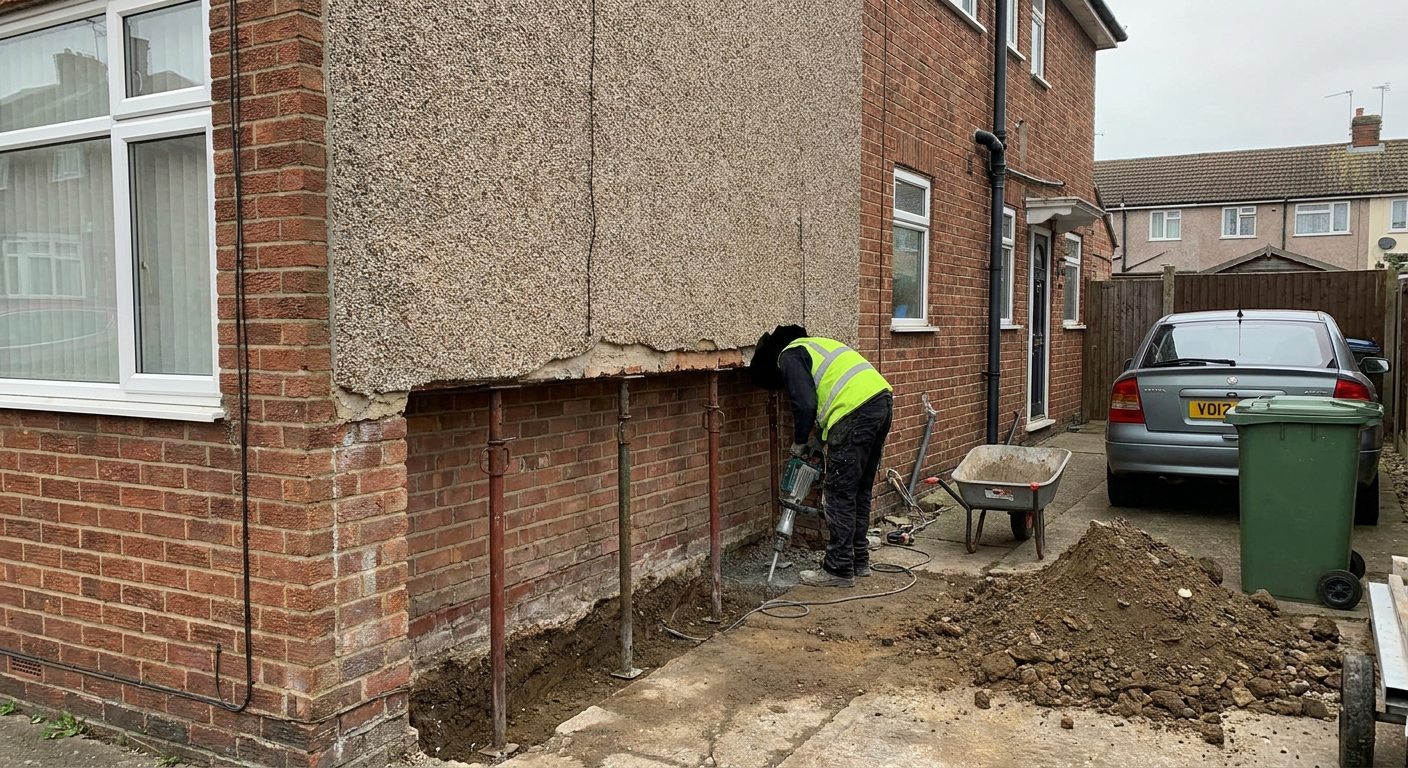
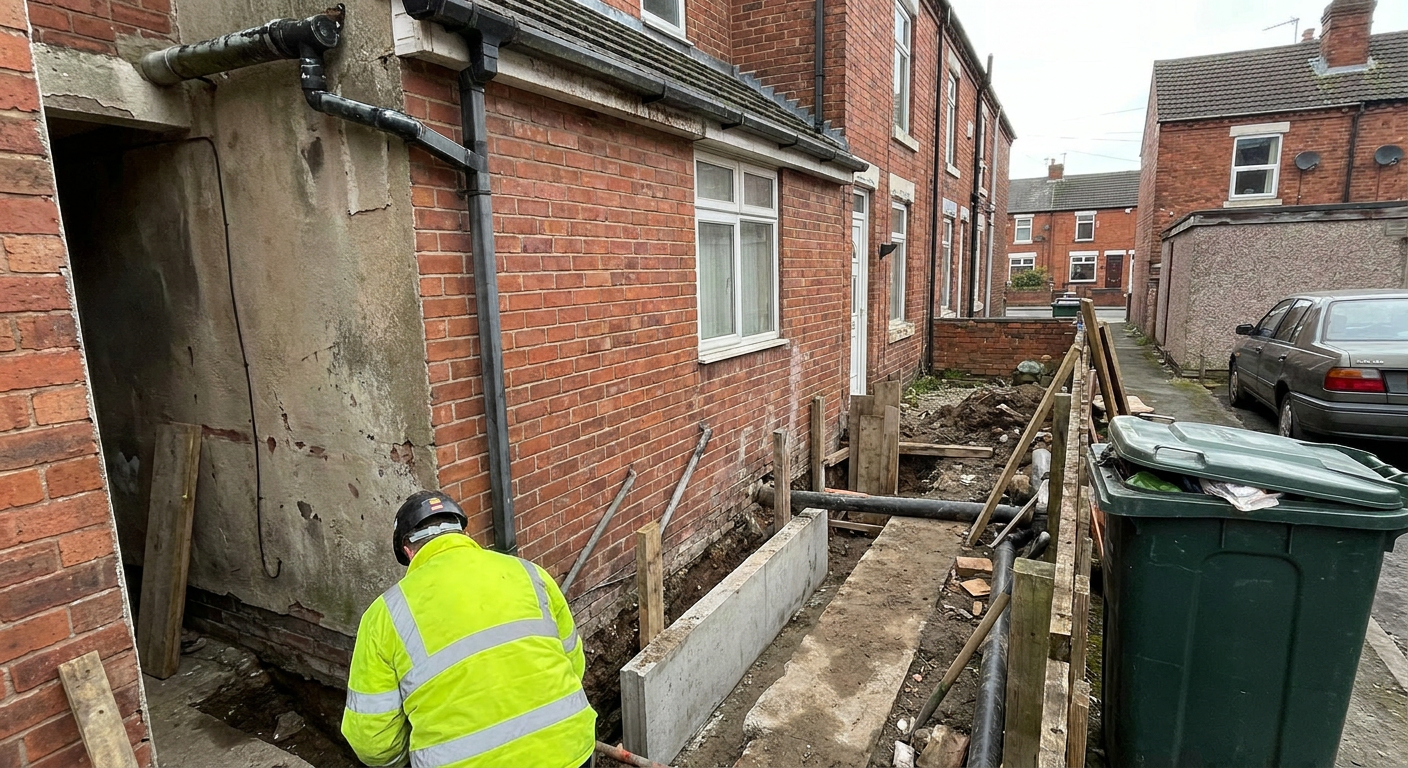
When you put a home on the market in Hastings, the property information form asks directly about structural problems. Disclosing past repairs when selling is a legal requirement, so if a previous owner or you had underpinning done, it must go on the form.
A buyer will ask about any house history of movement before they commit. If a buyer surveyor flagged cracks during their inspection, the solicitor acting for the purchaser will request evidence that the problem was dealt with properly. Hiding previous work usually unravels later, because the local authority holds records of building control applications and insurance claims leave a paper trail.
The ground beneath Hastings varies considerably. Wadhurst Clay shrinks and swells with moisture, while sandstone beds behave differently. A buyer familiar with the area will expect documentation showing the cause was identified correctly. You can read more about how [Hastings Beds sandstone and Wadhurst clay](/stories/hastings-beds-sandstone-and-wadhurst-clay-under-homes) affect foundations to understand what a surveyor might be looking for.
Paperwork a buyer's surveyor wants to see
A surveyor assessing a home in St Leonards or Silverhill will ask for specific documents. The most important is the subsidence certificate of structural adequacy. This is issued by the engineer who designed or checked the repair, confirming the foundation work meets the required standard.
They will also want the original [subsidence survey](/the-repair/subsidence-survey-hastings), any building control completion certificates, and details of the contractor who carried out the work. If [mass concrete underpinning](/the-repair/mass-concrete-underpinning-hastings) was used, the depth and extent of the concrete should be recorded. For homes where [mini piled underpinning](/the-repair/mini-piled-underpinning-hastings) was needed to reach stable ground, the pile layout matters.
Insurance correspondence helps too. Letters showing the claim was settled and the insurer accepted the repair provide reassurance. Selling a home with previous underpinning becomes much harder without these papers, because the buyer has no proof the movement stopped. Keep everything filed together so your solicitor can hand it over quickly once an offer arrives.
How a specialist report keeps a sale together
If paperwork is missing or the buyer remains nervous, commissioning a fresh [subsidence survey](/the-repair/subsidence-survey-hastings) from a chartered structural engineer often saves the transaction. A new assessment looks at the current condition of the walls and foundations rather than relying solely on old documents.
The engineer examines whether the repair is still performing. They check if [crack repair](/the-repair/crack-repair-hastings) stitching is holding and whether any new fractures have appeared since the original work. Their report sets out the findings in terms a mortgage lender understands.
This matters because a buyer needs their lender to agree the home is safe security for the loan. If the lender sees a recent, clear statement from a chartered structural engineer confirming stability, they are far more likely to proceed. The report does not guarantee the sale, but it removes the uncertainty that causes buyers to walk away. It gives everyone involved a factual basis to move forward rather than relying on assumptions about what might be happening below ground level.
Insurance and mortgages after subsidence
Buyers frequently worry about getting buildings cover for a home with a known history of movement. Insurers do write policies for these properties, though they may apply a higher excess for future subsidence claims. The buyer needs to know which company covered the original claim, as staying with that insurer sometimes makes renewal simpler.
Lenders look at the same history through a different lens. A mortgage refused because of cracks in the house usually happens when the valuer cannot confirm the structure is sound. The valuer works for the bank, so their caution protects the loan. Providing the structural report mentioned above, along with the certificate of structural adequacy, addresses their concern directly.
If a lender still hesitates, they might insist on further investigation. This could mean digging [trial pits](/stories/trial-pits-and-boreholes-what-lies-below-your-walls) to examine the footings. Knowing this might happen lets you prepare rather than reacting in a panic during the final weeks before exchange.
Monitoring and timing before you list
Arranging [structural monitoring](/the-repair/structural-monitoring-hastings) before marketing the home gives you evidence that the walls are stationary. Tell-tales or digital sensors record movement over months. If the readings show nothing has shifted, that data goes straight into the pack your solicitor hands to the buyer.
Without monitoring, you rely on visual checks alone. A hairline crack might look dormant to you, but a surveyor measuring it will note the absence of data. Monitoring takes time, typically six to twelve months to produce meaningful results, so starting early prevents delays later.
As for how long the sale itself takes, expect the process to run longer than a straightforward transaction. Buyers need time to review documents, lenders take longer to assess the valuation, and solicitors raise additional enquiries. A delay of several weeks beyond the local average is common. Being organised from the start shortens that gap.
What affects the cost of pre-sale reports
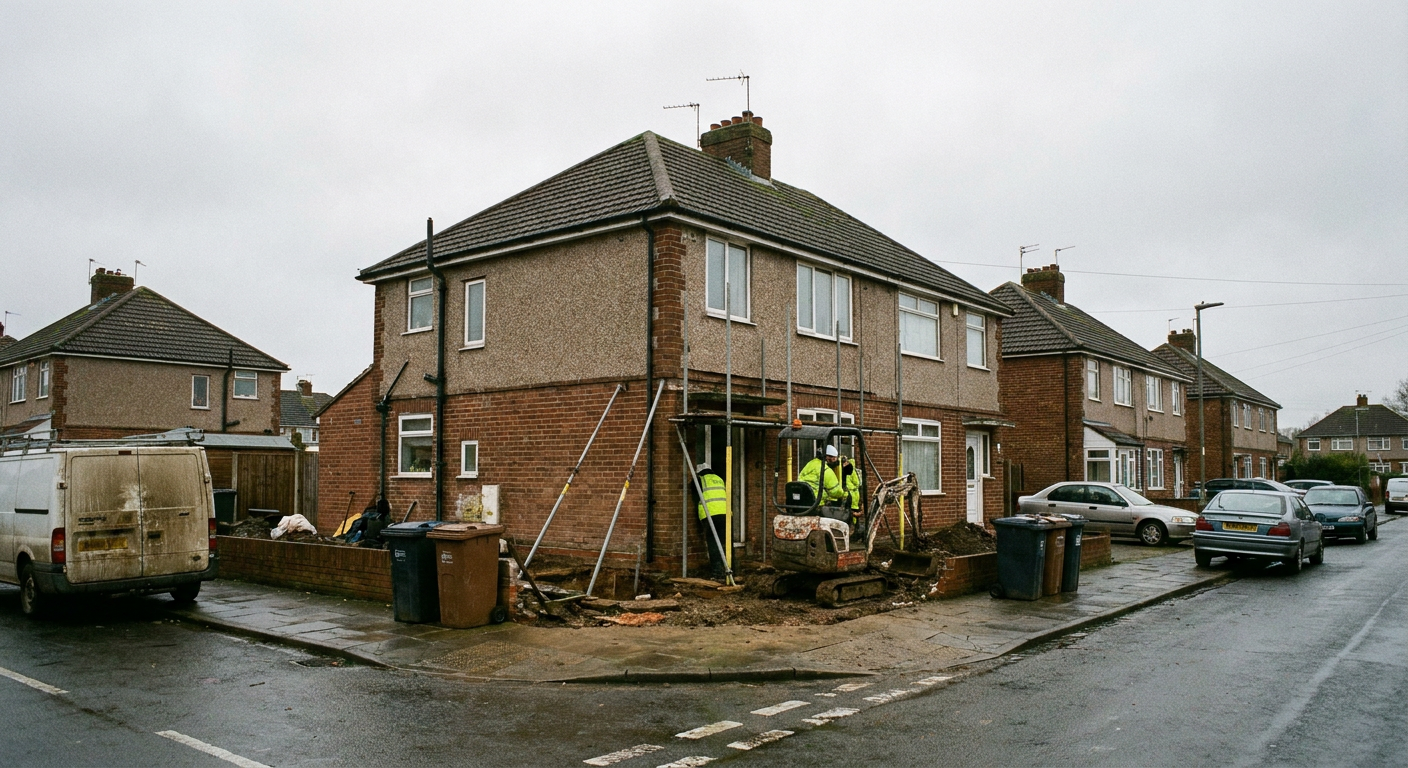
Every home differs in construction, ground conditions and repair history, so the work needed to satisfy a buyer varies from one sale to the next.
- Type of previous repair
- Different methods such as resin injection or piling require different levels of verification and testing.
- Age of the work
- Older repairs may need more thorough examination to prove they remain effective today.
- Extent of monitoring needed
- Longer monitoring periods or more sensor locations add to the time and labour involved.
- Access to foundations
- Restricted spaces around the home can make inspection trenches harder to dig safely.
The specialist explains the cost of the particular job before anything is agreed.
Questions about selling a home with past movement
Common things sellers in Hastings ask before putting their home on the market.
- Carrying out repairs yourself
- Completing the work before listing removes a major negotiation point. Buyers prefer certainty over arranging contractors themselves.
- Letting the buyer negotiate
- Leaving repairs undone usually lowers the price the buyer offers, as they factor in their own risk and costs.
- Getting insurance after subsidence
- Specialist insurers write policies for homes with repaired movement, often with a higher excess for future ground-related claims.
- Delays to the sale process
- Expect extra weeks for the buyer's solicitor to review structural documents and for the lender to approve the valuation.
Ask about your subsidence enquiry
Send the details of your situation. A specialist reviews what you describe and responds with what can be done next. This does not commit you to any work or payment.
- No obligation to proceed
- Reviewed by a specialist
- Local to Hastings