Local guide
Cracks after heavy rain and what autumn weather does
Sustained rain, blocked gullies and leaking drains change how the ground behaves under a house. Find out why cracks are often first noticed in autumn, what the wet weather means for your walls, and when to ask a specialist firm to look.
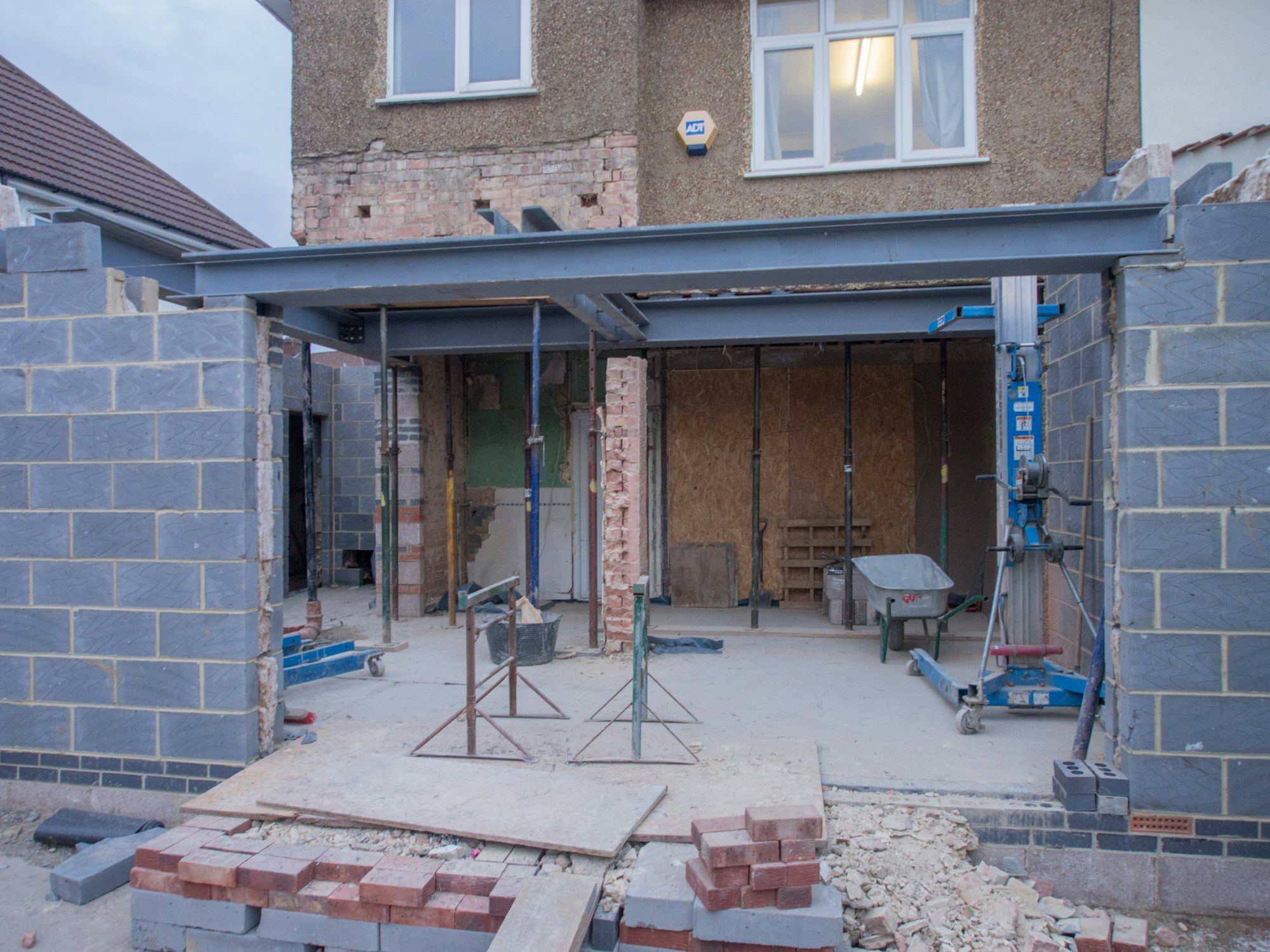
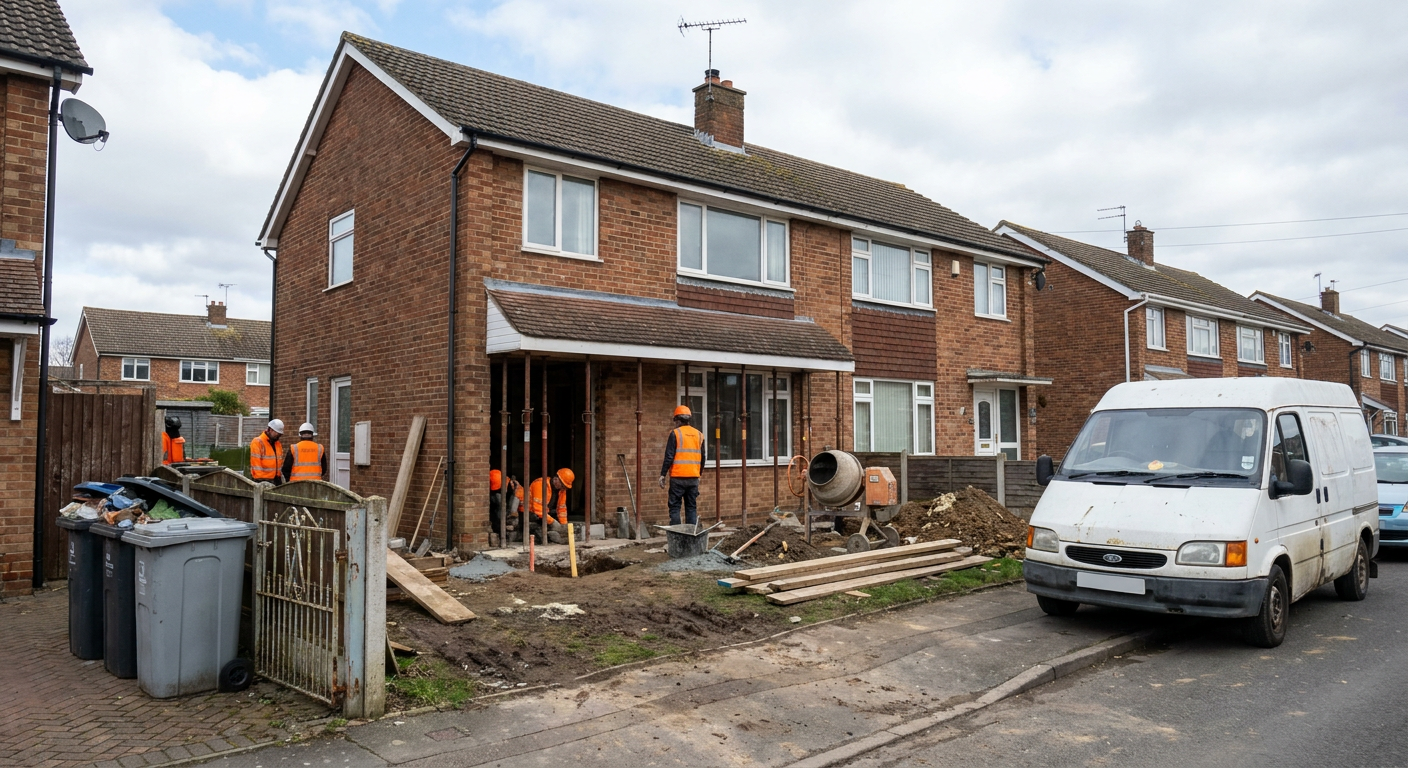
Why autumn storms bring new cracks to Hastings walls
People across the town notice cracks after heavy rain more often between September and November than at any other time of year. The summer dries the soil beneath Hastings, shrinking it slightly. When prolonged autumn storms arrive, the ground absorbs water fast. Clay layers within the local Hastings Beds sandstone swell, and sandy patches become saturated.
This sudden shift in moisture content is what drives wet weather ground movement homes experience each year. A wall that sat still all summer can crack within days of a storm because the foundation is no longer resting on stable earth. Autumn cracks brickwork Hastings homeowners spot near windows or along mortar joints usually follow this pattern.
If you want to know whether the movement has stopped or is continuing, a specialist firm can carry out a subsidence survey to read the signs left in the masonry. They measure the width, direction and taper of each crack to determine if the ground is still shifting. You can also track changes yourself by following guidance on how to monitor a wall crack over the winter months.
Blocked gullies, downpipes and leaking drains
A lot of rain damage house walls Sussex residents see starts above ground rather than below it. A blocked gully or a downpipe discharging against the base of a wall keeps the soil permanently wet in one spot. That concentrated water softens the ground directly under the footing.
Blocked gully wall cracking tends to appear on the side of the house nearest the obstruction. The mortar opens up because the foundation sinks into the softened earth while the rest of the wall stays put. Clearing the blockage removes the source, but the crack remains until a specialist addresses the structural effect.
Below ground, a leaking drain causing subsidence is harder to spot. Water escaping from a fractured clay pipe washes fine particles away from the foundation. Over weeks, a void forms. If you suspect a downpipe leak foundation damage or a broken underground pipe, a drainage survey using cameras will show where the water is going. Specialist firms use these surveys before planning any repair work, since fixing the plumbing must happen before stabilising the ground.
Will the cracks close once the ground dries out
Some hairline cracks narrow as the soil loses moisture in spring. This happens with minor seasonal shrinkage. But a crack wider than a few millimetres rarely closes fully on its own. Once the mortar has fractured and the bricks have shifted, the wall does not simply push itself back into alignment.
Waiting for dry weather to see if the problem resolves itself can mean missing the window to act. If the ground has been washed out by a leaking drain, drying out will not replace the lost soil. The void remains, and the next period of heavy rain may cause further movement.
A specialist firm assesses whether the crack is seasonal or progressive. They might recommend structural monitoring to record movement over several months. If the foundation needs support, options range from mass concrete underpinning to mini piled underpinning driven deep into stable strata. For less severe cases, resin injection can compact loose ground without excavation. Crack repair then finishes the visible damage once the structure is secure.
Coastal weather and sloping streets
Being close to the coast makes rain damage more likely here because Hastings takes heavier, wind-driven rainfall than inland towns. The sea air carries moisture that soaks into exposed brickwork, keeping outer walls damp long after a storm passes. Homes on the cliffs or terraced streets face the full force of Channel weather systems.
The topography matters too. Many streets in Hastings run down steep slopes toward the sea. Water flows downhill through the ground as well as along the gutters. Houses on sloping ground often show cracking on the downhill side because the soil creeps slowly when saturated. Retaining walls in gardens take extra pressure during storms, bulging or cracking as the earth behind them swells.
Spring lines and ghyll streams run beneath parts of the town, adding natural groundwater to whatever falls from the sky. In areas like Silverhill or St Leonards, Victorian houses were built on made-up ground that reacts sharply to saturation. Understanding what lies below your walls helps explain why two identical houses on the same street can behave differently in the same storm.
What to do first: clear the gutters or get advice
Clear the gutters, downpipes and gullies immediately. Remove leaves, moss and debris so water flows away from the house. This costs nothing and stops the most common cause of localised saturation. If a downpipe is disconnected, fix it so water lands in a drain rather than pooling against the foundation.
But do not stop there if the crack is wide enough to fit a coin into, or if it appeared suddenly over one wet week. Rapid widening suggests active ground movement, not just surface damp. Acting quickly matters because the longer a foundation sits unsupported, the more the wall distorts.
Send an enquiry to find out what the movement means for your home. A specialist firm will advise whether a survey is needed now or whether monitoring over winter is sufficient. Asking early does not commit you to building work. It gives you a clear picture of whether the problem is a blocked pipe you can unblock yourself or a failing footing that requires professional intervention. Insurance questions about who pays for drain investigations depend on the policy, so having a professional assessment helps frame any claim.
What determines the cost of rain-related repairs
Every house in Hastings sits on different ground, so the work required to stabilise a foundation varies from property to property.
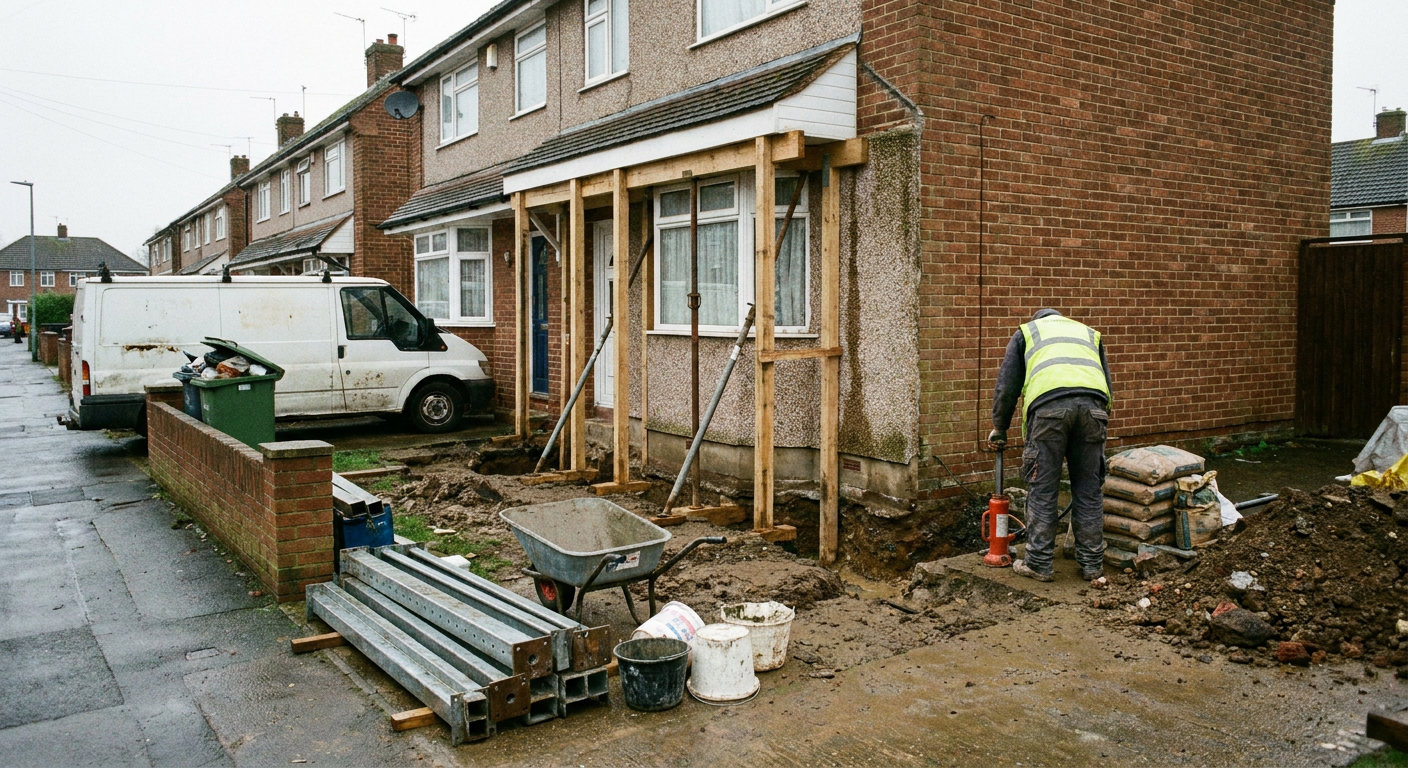
- Depth of stable ground
- Deeper foundations require longer piles or more excavation, increasing the materials and labour involved.
- Cause of the movement
- Fixing a leaking drain is separate from stabilising the soil, and both jobs add to the total scope.
- Access around the house
- Narrow streets and tight side returns limit machinery size, meaning more work is done by hand.
- Extent of wall damage
- Stitching a single crack takes less time than rebuilding a section of distorted brickwork.
The specialist firm explains the full cost of your specific job before any work begins.
Questions homeowners ask after autumn storms
These are the things people in Hastings want to know when they first notice their walls moving after heavy rain.
A specialist answers these questions for your particular house after looking at the evidence.
- Why only after autumn storms?
- Summer shrinks the soil; autumn rain swells it rapidly, shifting foundations that were stable in dry weather.
- Could a blocked gully be the cause?
- Yes. Concentrated water from a blocked gully softens the ground directly beneath one part of the footing.
- How to check for a leaking drain
- A specialist uses a camera survey to inspect underground pipes for fractures washing soil away.
- Will the cracks close up again?
- Hairline cracks may narrow slightly, but wider fractures stay open once the masonry has shifted.
- Should I wait or get advice now?
- Clear the gutters today. If the crack is wide or growing, ask a specialist firm to assess it.
- Does the coast make it worse?
- Wind-driven rain and steep slopes keep coastal homes wetter, increasing the chance of ground movement.
Ask about the cracks in your home
Send details of what you have noticed. A specialist firm will review the information and tell you whether a site visit is needed. This does not commit you to any work.
- No obligation to proceed
- Local knowledge of Hastings ground
- Clear explanation of next steps