Hastings Town Centre
Mini piled underpinning Hastings in Hastings Town Centre
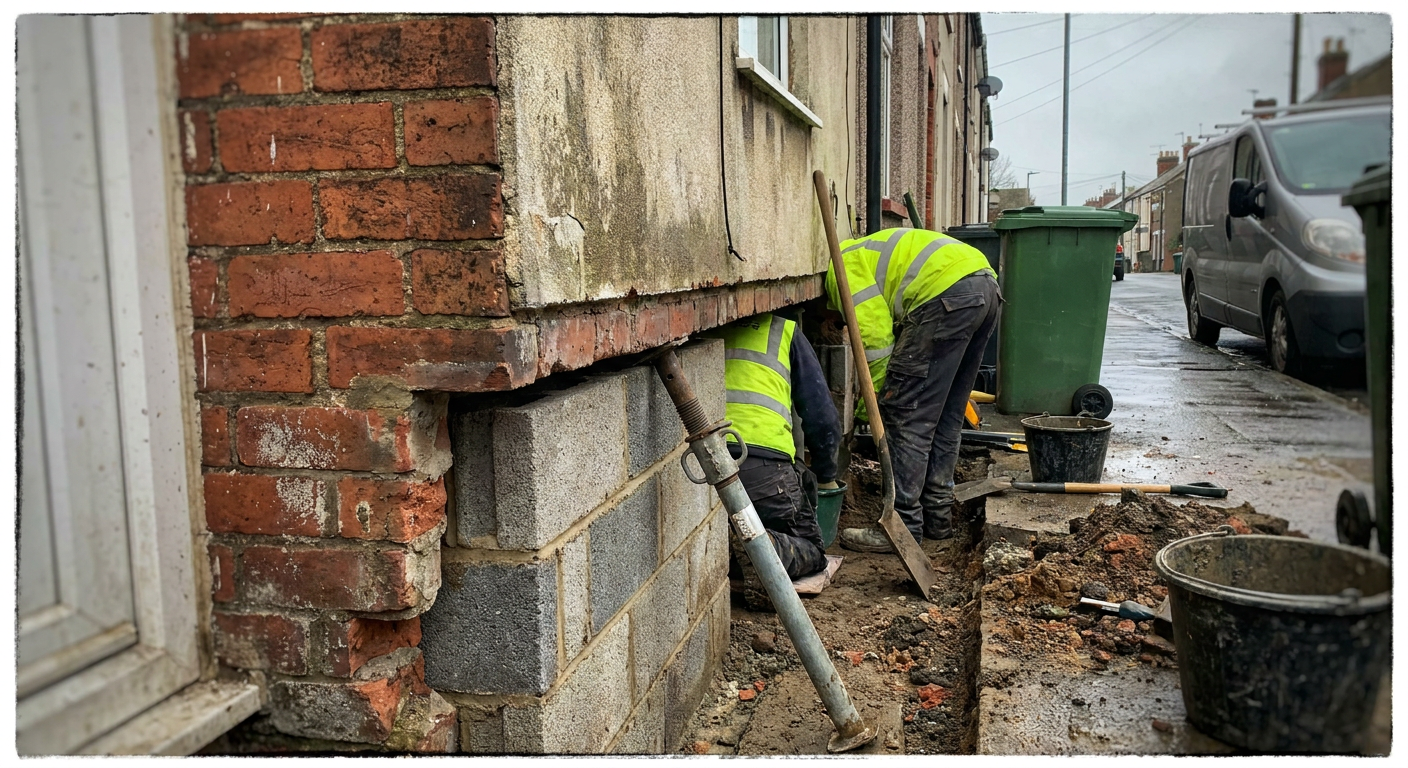
Dense central terraces from before 1919 leave tight plots where only small rigs can work. Mini piled underpinning in Hastings Town Centre stabilises foundations when historic stream culverts and made ground cause chronic movement. Describe what you see at home to get advice on the next step.
- Small rigs for narrow plots
- Suited to pre-1919 terraces
- Limited vibration methods
Describe what you have noticed
Foundation repair for central terraces
High-density commercial properties situated in the steep-sided valley experience chronic foundation movement due to historic stream culverts and made ground. These services address that problem.
-
Subsidence survey
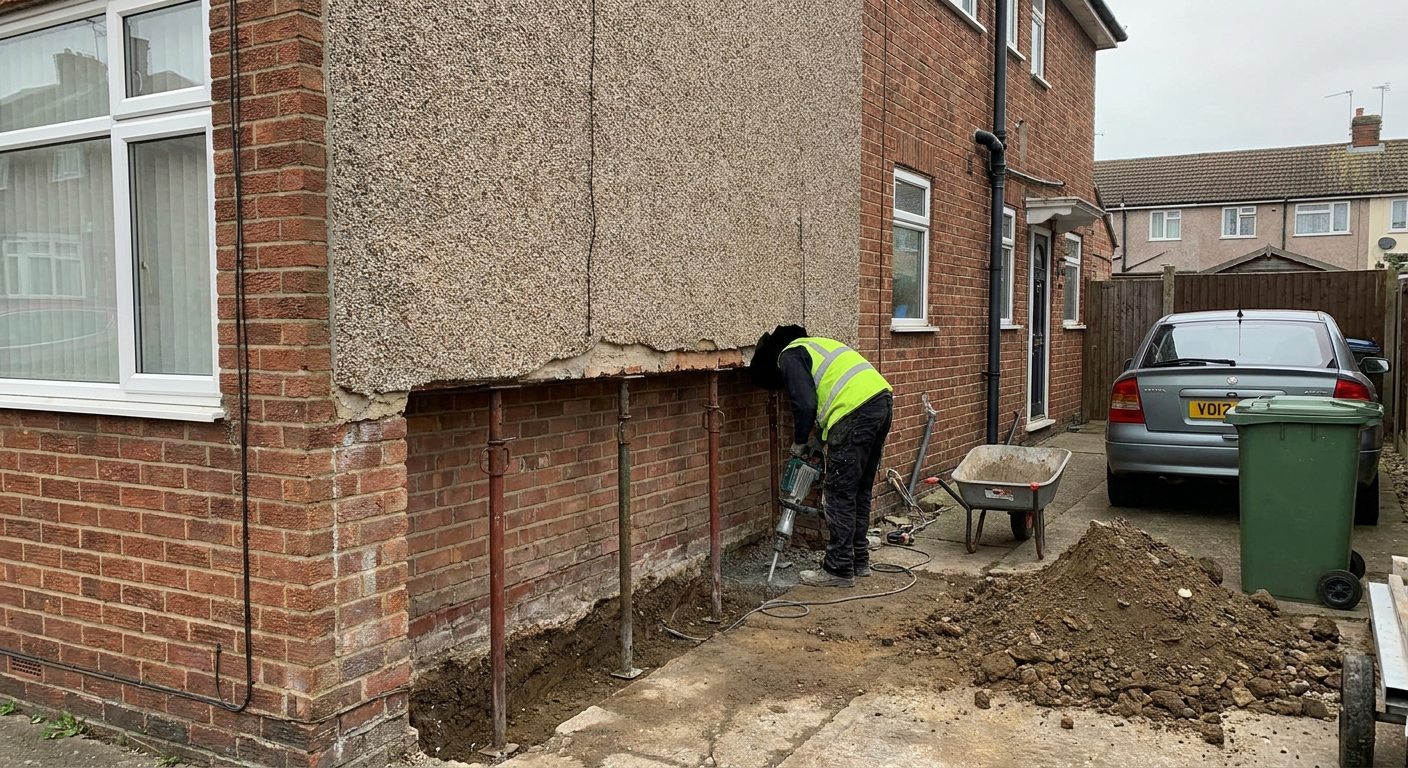
A specialist firm carries out a subsidence survey to find out why the walls of your home are moving. They dig trial pits, examine the ground beneath the footings and check whether old stream culverts or made ground are causing the problem. You receive a written report explaining what the crack means and what should happen next. This is the first step before any repair begins, so you know exactly what you are dealing with.
-
Mini piled underpinning
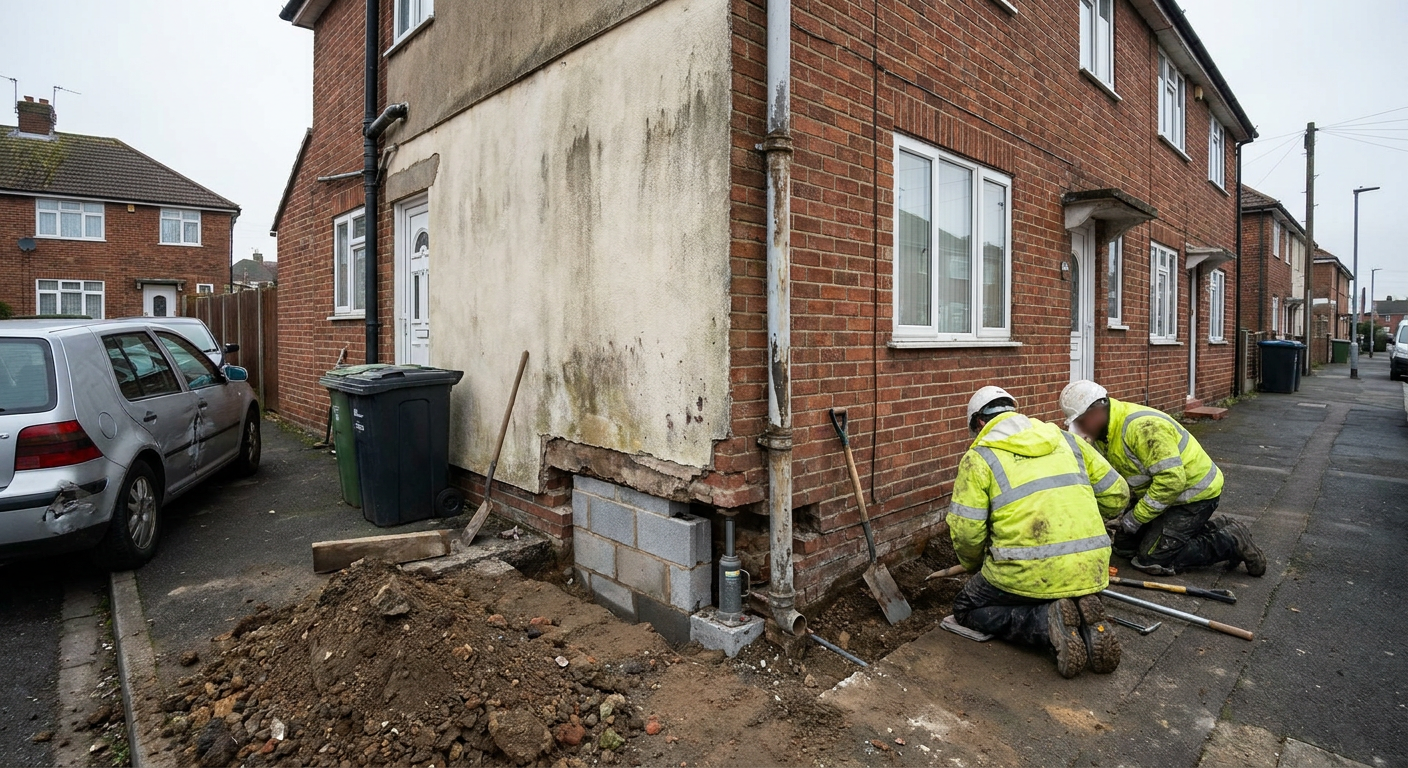
When restricted access underpinning in the Old Town is the only option, a specialist contractor uses small rig piling for a terraced house. Piled foundations suit a narrow property because the equipment fits through standard doorways and works without rear access. For an underpinning Victorian terrace Hastings project, the specialist drives piles down to stable ground below the made-up layers. Neighbours notice less disturbance than with mass concrete, since the method limits piling vibration to neighbouring houses. A party wall notice for underpinning must be served before work starts.
-
Crack repair
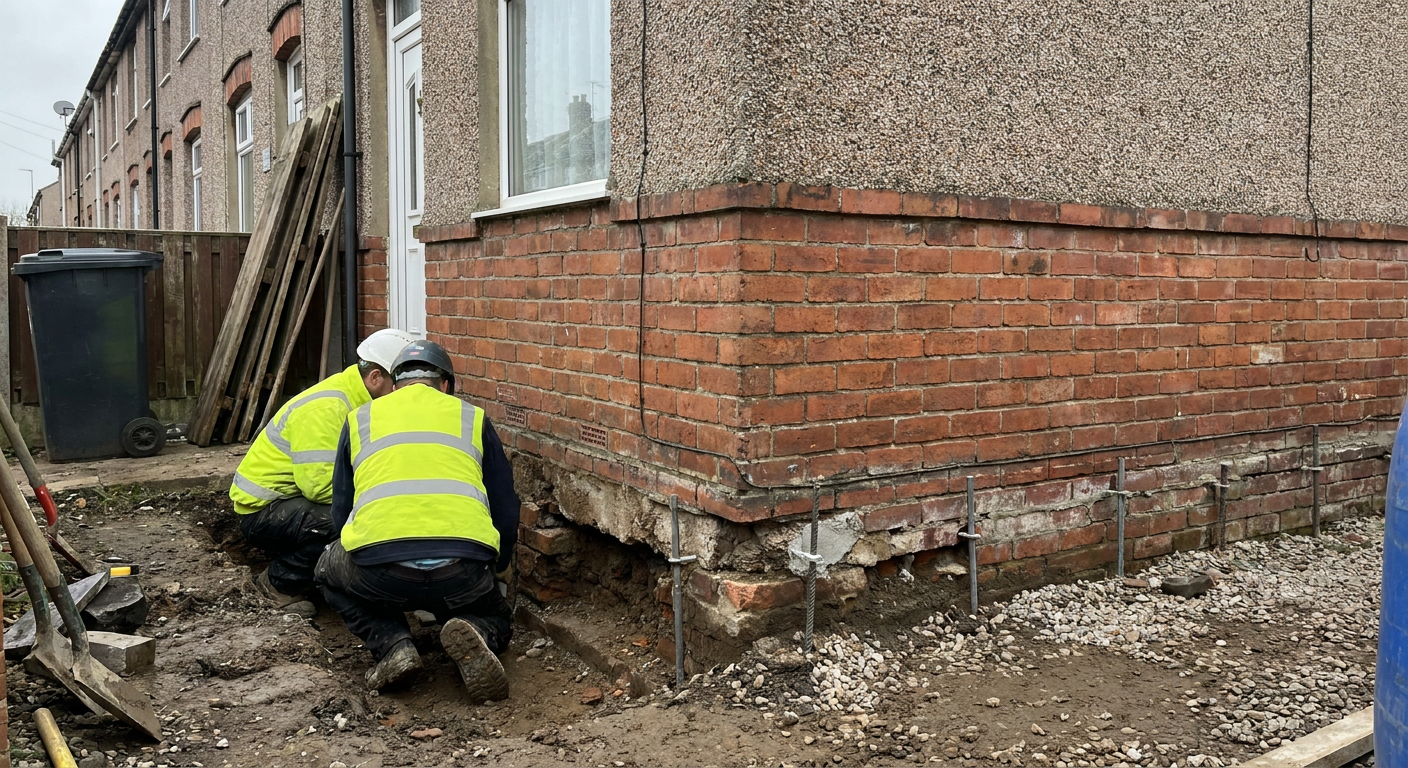
Once the foundations are stable, a separate specialist firm handles crack repair. They stitch masonry back together and fill gaps left by movement so the walls of your home are whole again. The work addresses visible damage after the underlying cause has been dealt with. You get walls that no longer show the signs of shifting ground, and the specialist makes good the plaster and decoration inside.
Signs your terrace may be moving
Pre-1919 terraces in the town centre sit on made ground above historic stream culverts. When that ground shifts, the walls move with it. These are the things you might notice inside or outside your home.
- 1
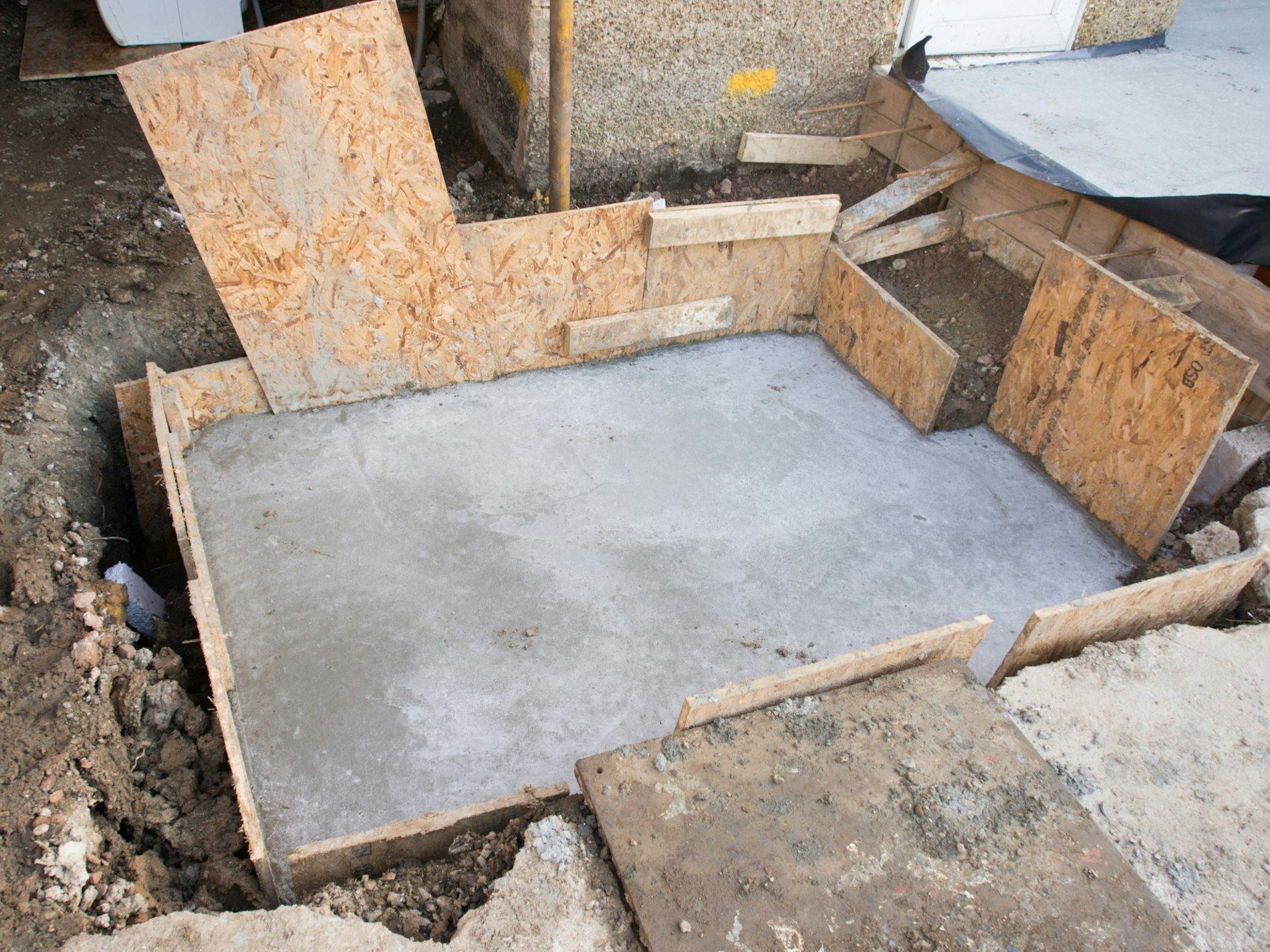
Diagonal cracks near corners
A line running at an angle from the corner of a window or door frame often points to uneven settlement in the footing below.
- 2
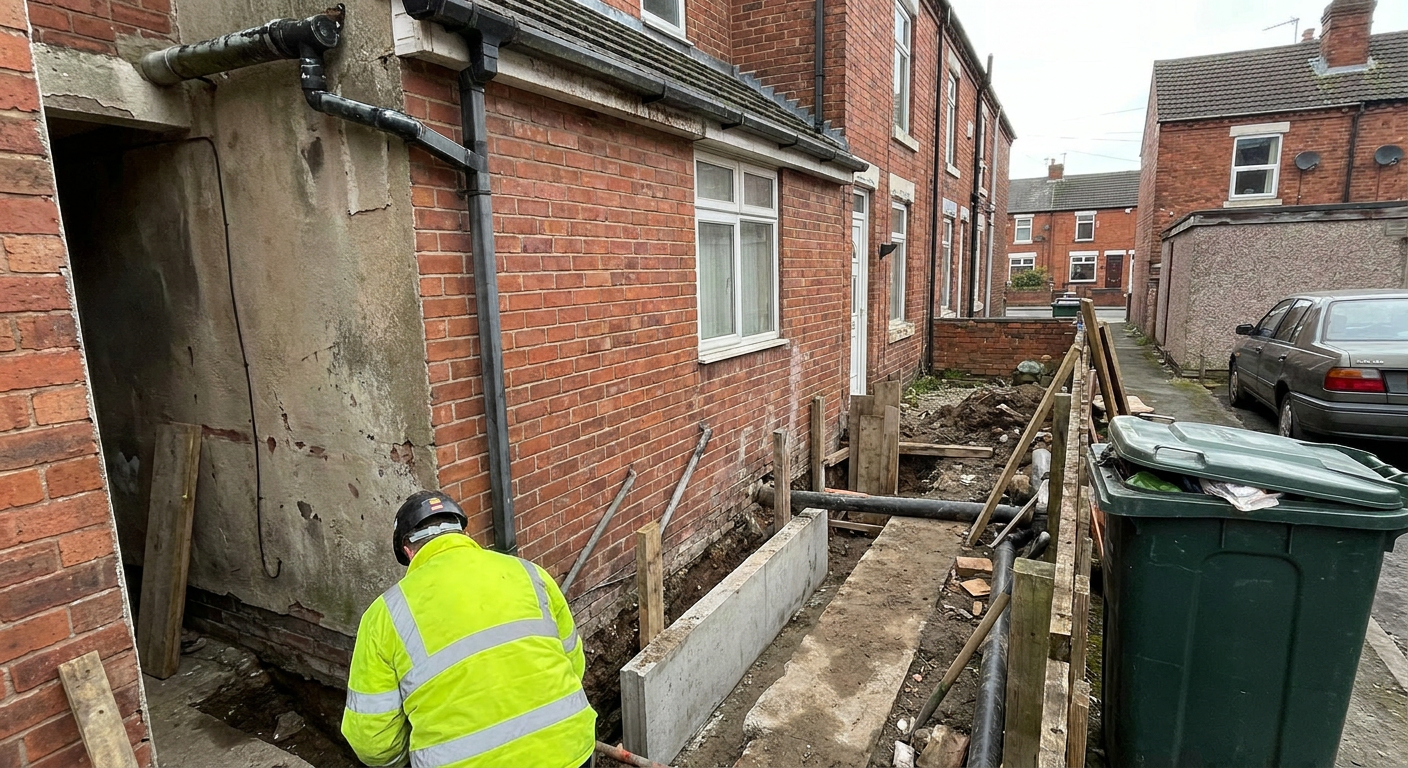
Doors sticking in frames
If internal doors start catching on the frame or will not latch, the floor or wall around them may have shifted slightly.
- 3
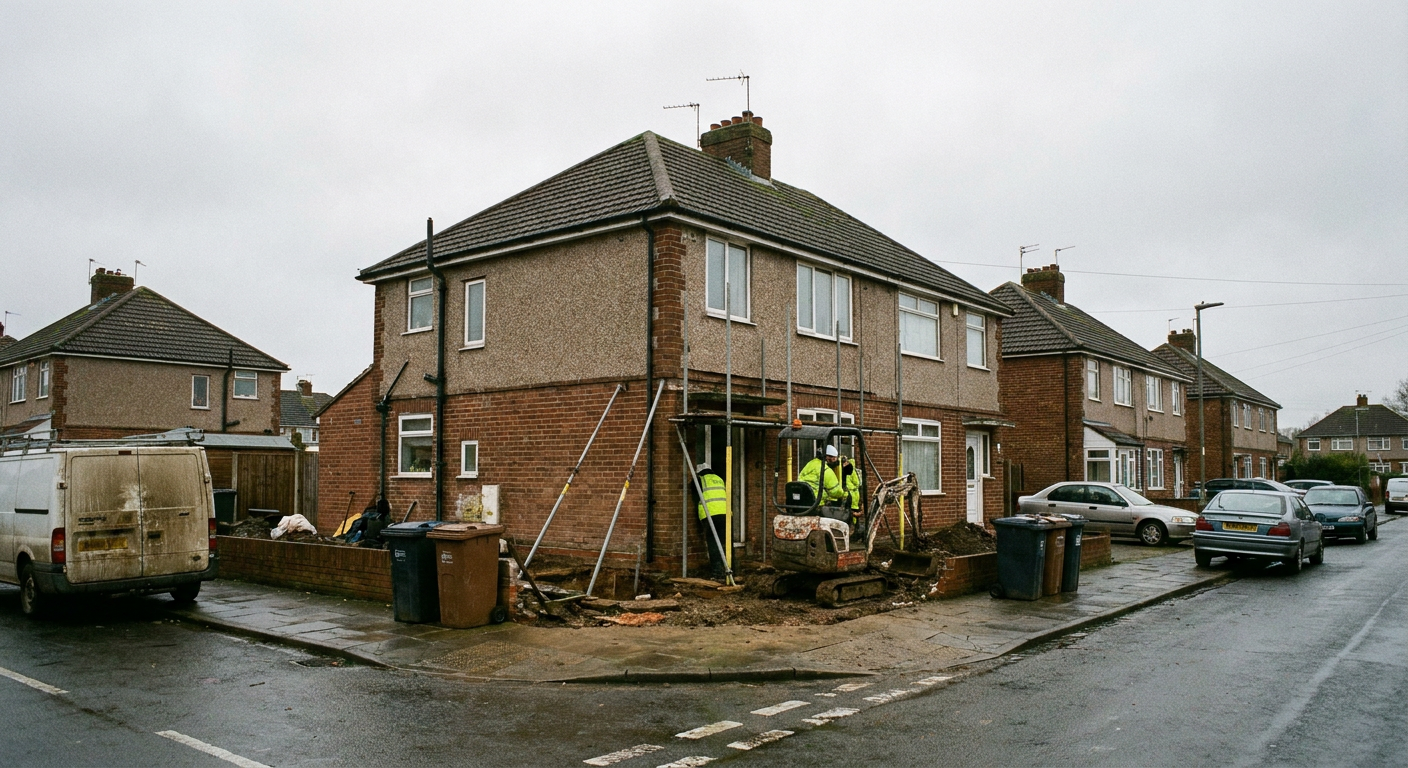
Gaps at skirting boards
A visible space between the bottom of the wall and the skirting can mean the floor has dropped away from the masonry.
- 4
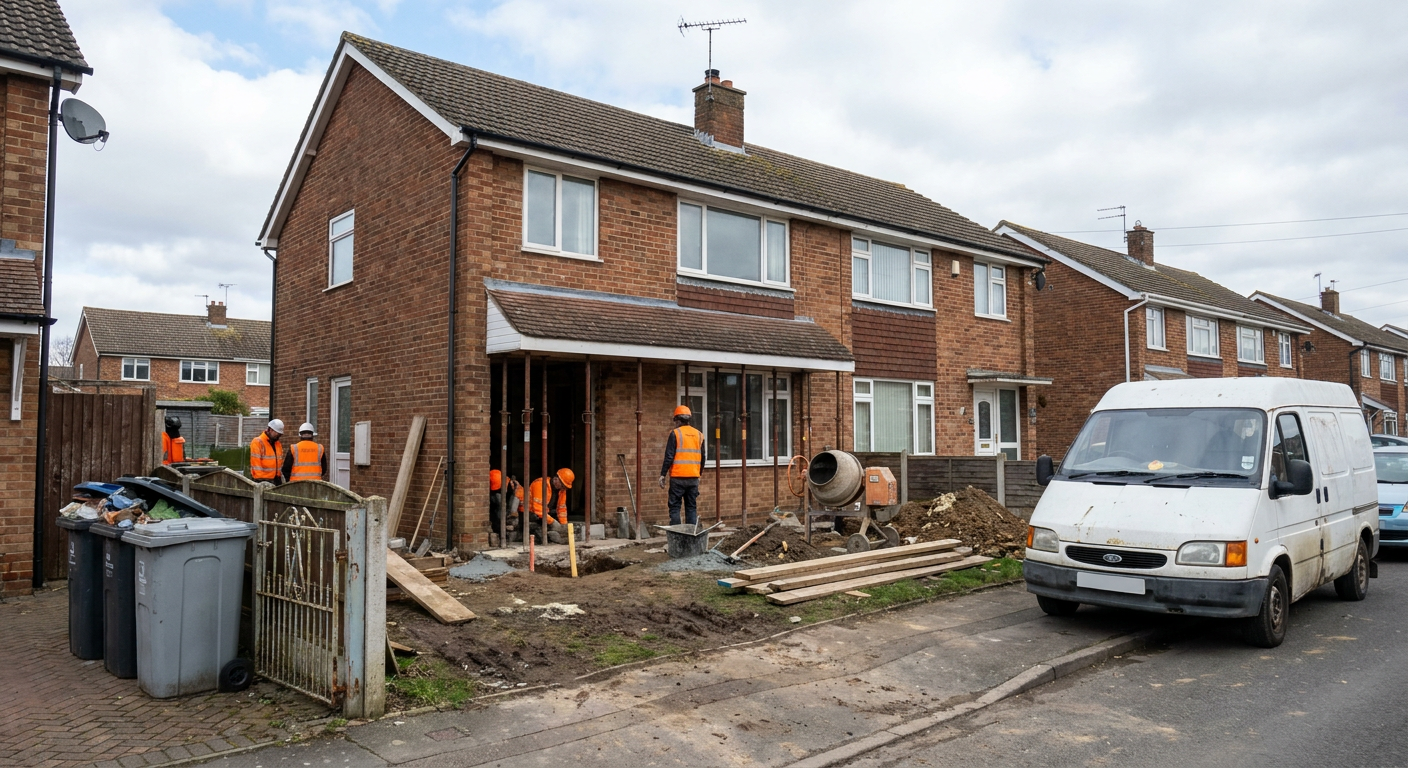
Sloping floors
A marble rolling across the room or furniture sitting unevenly suggests the ground beneath the joists has moved.
From enquiry to finished repair
01
You describe the problem
Tell us what you have seen at home. We take the details and pass your enquiry to a specialist firm.
02
The site visit
A specialist visits your terrace to look at the cracks, measure the movement and decide if a survey is needed.
03
Party wall notices
Before piling starts, the specialist serves a party wall agreement on the houses either side of yours.
04
The piling work
The contractor brings a small rig inside and drives piles to stable ground. On a two up two down this takes roughly one to two weeks.
05
Making good
Floors come up where piles need access. The specialist reinstates them and repairs the finishes afterwards.
Ask about mini piling in the town centre
Find out whether small rig piling suits your terrace. Describe the cracks or sticking doors you have noticed and get specific advice on what happens next.