Describe the problem
Foundation repair Silverhill
Clay ground and shallow footings cause foundation problems for many older homes here. If you need foundation repair in Silverhill, describe what you have noticed and a specialist firm will review the details.
- Specialist firms handle the work
- No cost to send your details
- Local knowledge of clay ground
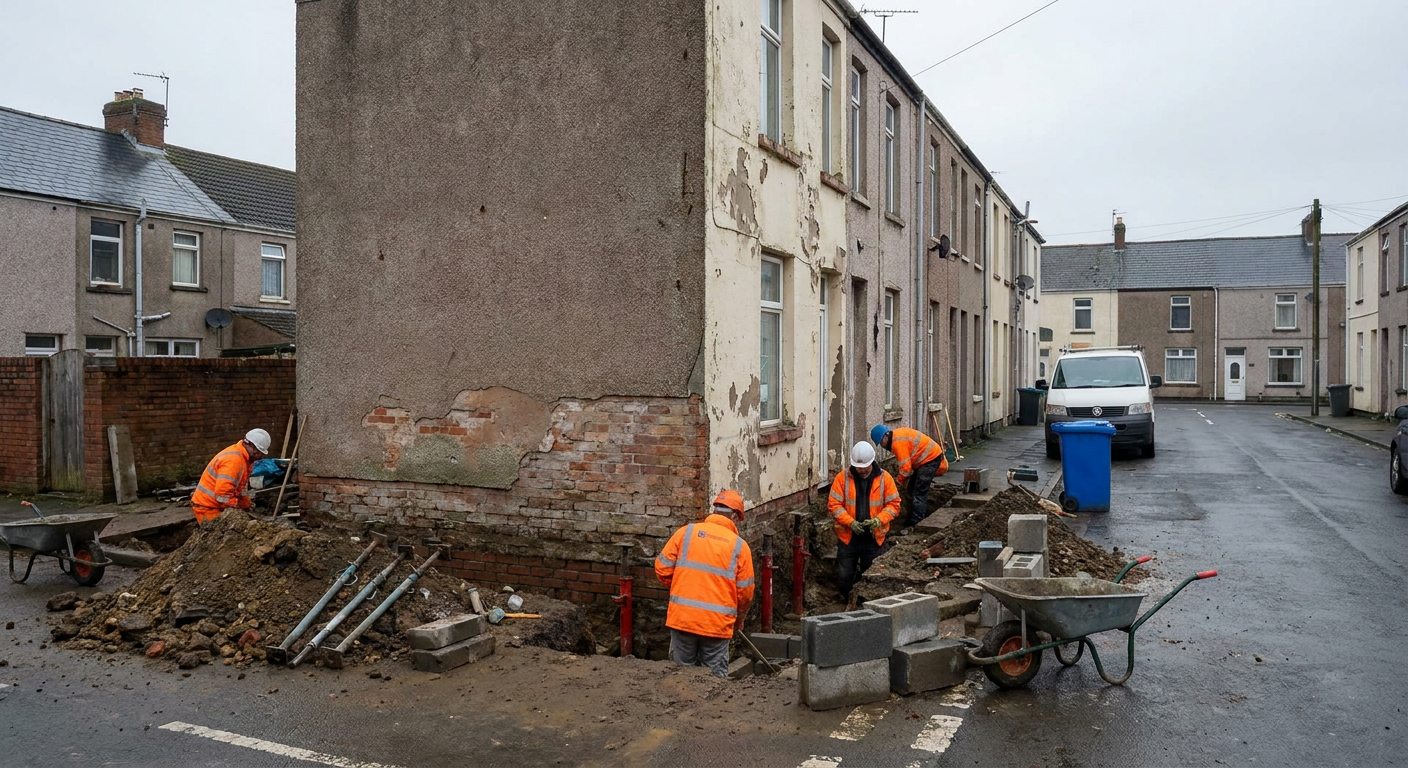
Repair methods used on local homes
A house foundation specialist near me will choose a method based on the soil, the building age and how far the walls have moved. These are the main approaches used around Silverhill.
-
Subsidence survey
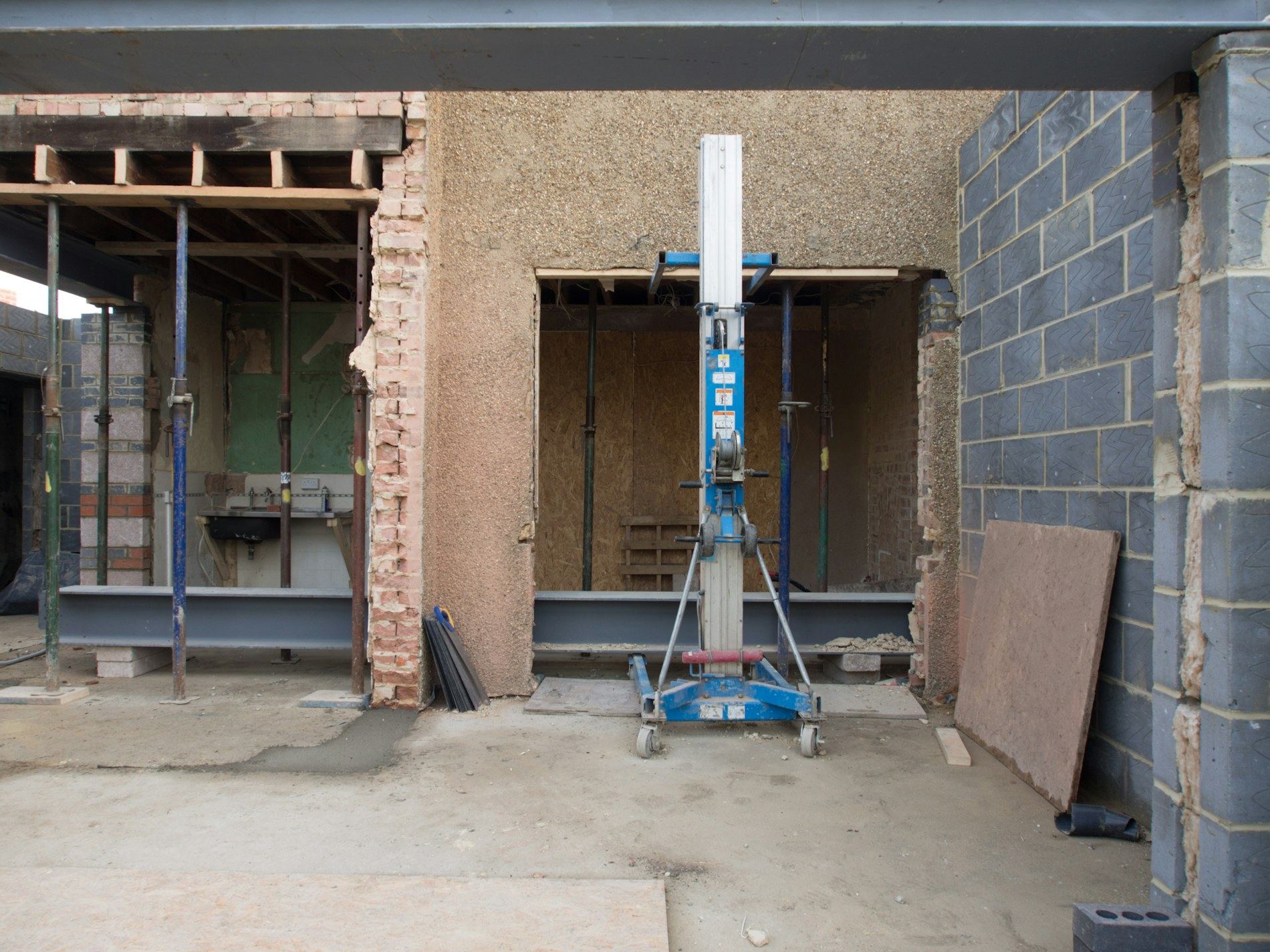
Before any digging starts, a subsidence survey establishes why the ground is moving. The specialist digs trial pits or drills boreholes to see what lies beneath the footings. They measure existing cracks and check drainage. You receive a written report setting out the cause, whether the movement is active, and which repair method suits the house. This is the first step when fixing shallow foundations on a Victorian house built over old sandstone quarries.
-
Mass concrete underpinning
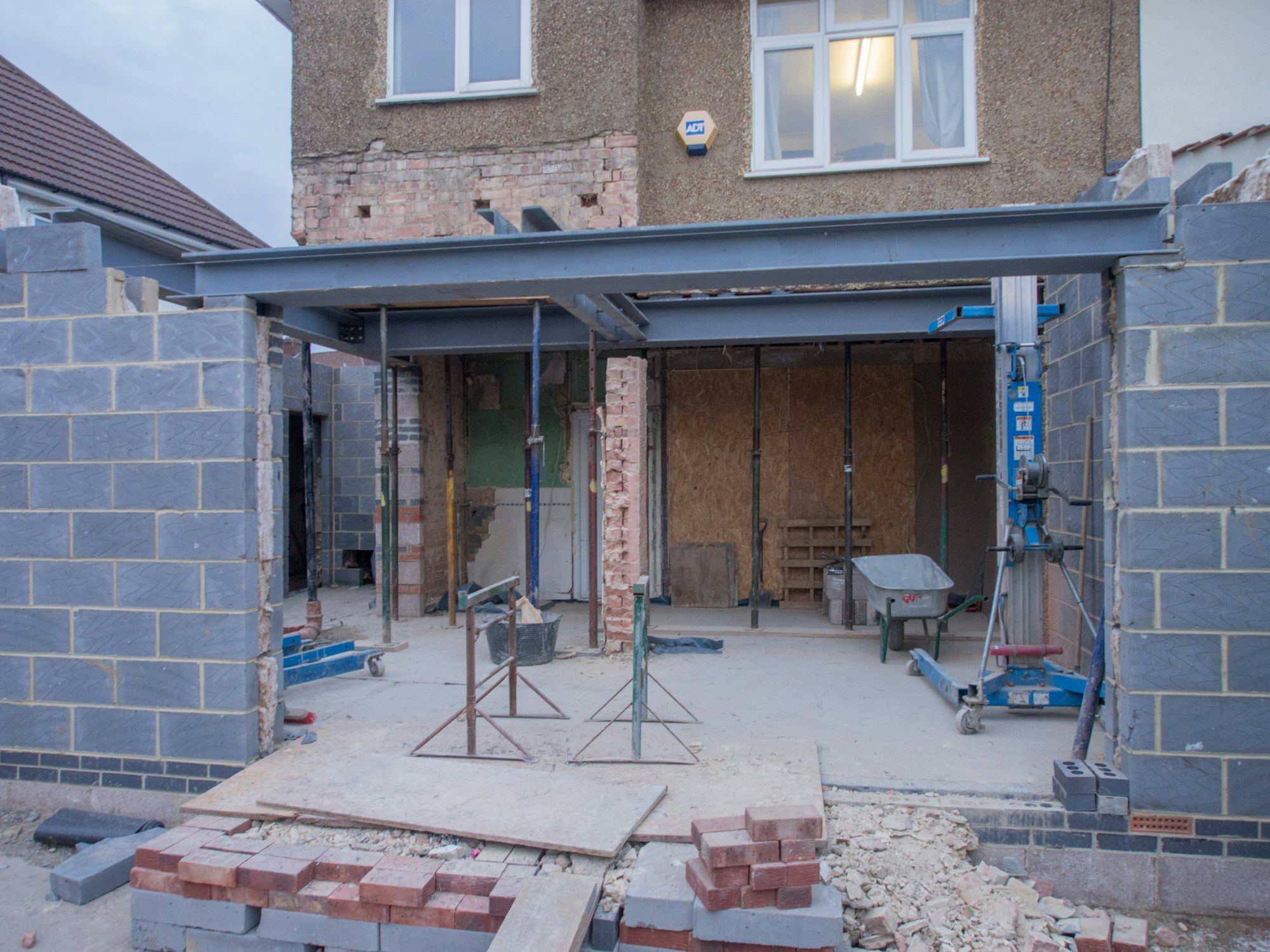
Where shallow footings rest on unstable clay, mass concrete underpinning extends them down to firmer ground. The specialist excavates short bays beneath the wall one at a time, pours concrete into each void, and pins the new section to the old footing. This method suits terraced houses with limited garden access. It addresses sinking floors and cracked brickwork by giving the wall a deeper base that reaches past the shrinking clay layer.
-
Mini piled underpinning
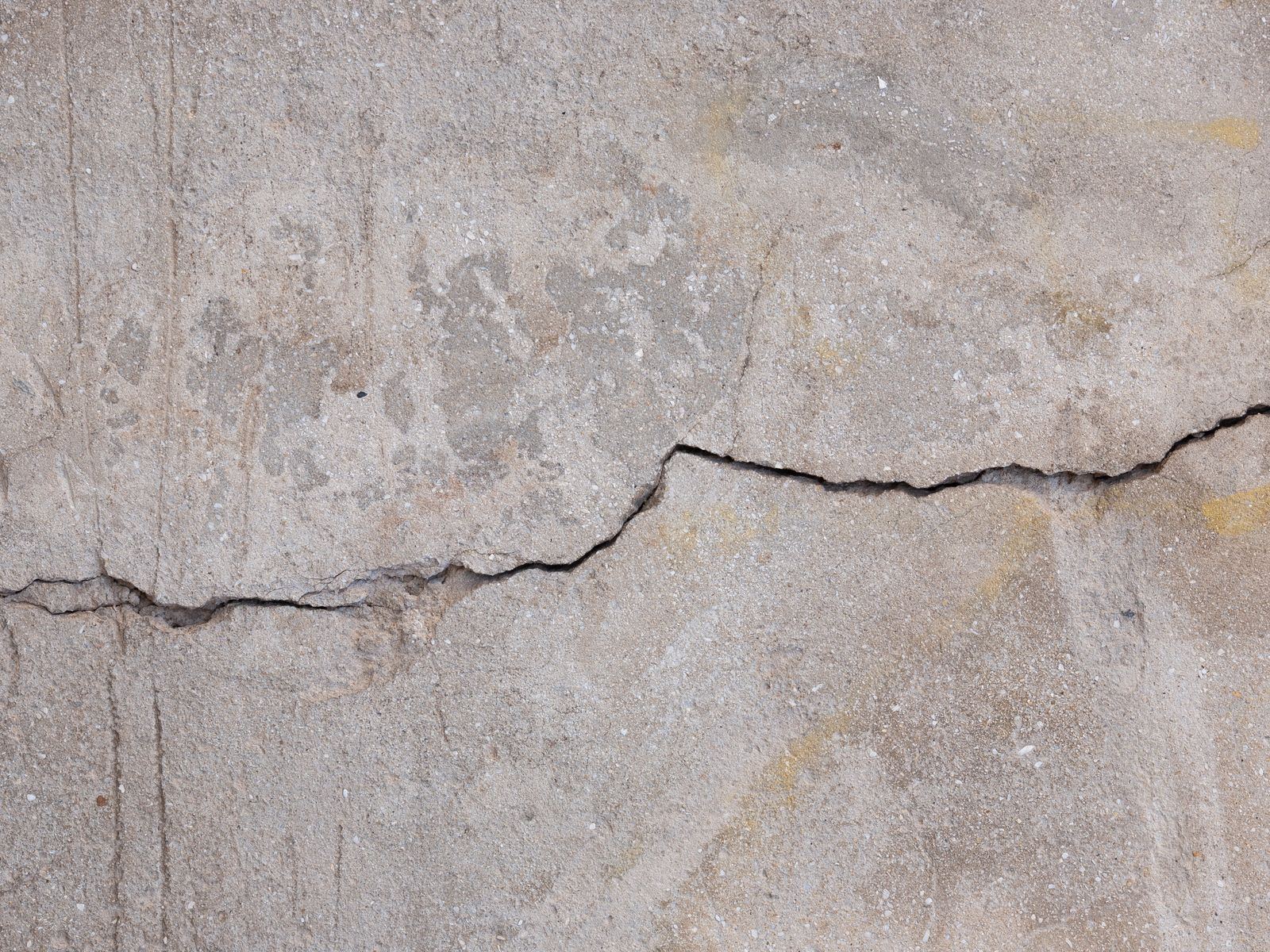
When the clay runs deep or old quarry voids sit below the house, mini piled underpinning transfers the load to a stable stratum further down. The specialist drives or bores narrow piles through the weak ground and caps them with a reinforced concrete beam tied into the existing wall. This approach is common where surface conditions rule out mass concrete, providing support that does not rely on the upper soil layers.
-
Resin injection
Resin injection stabilises loose or water-washed ground without extensive excavation. The specialist pumps an expanding resin into the soil beneath the footing through small drilled holes. As the resin cures it compacts the surrounding earth and lifts settled sections back toward their original level. This suits localized crown hole formation above old quarries, or areas where a leaking drain has softened the clay. Work finishes faster than traditional underpinning and causes less disruption inside the home.

Why Silverhill needs foundation repair
Homes in Silverhill stand on clay that shrinks in dry weather and swells after rain. Forty percent predate 1919, so they were built with shallow footings that move with the ground. Specialist firms cover every street in the area.
- Clay subsoil
- The clay beneath Silverhill expands when wet and shrinks when dry, pulling shallow footings out of line.
- Victorian housing stock
- Many terraces were built before 1919 with shallow brick footings that cannot resist seasonal clay movement.
- Old sandstone quarries
- Parts of Silverhill sit above filled quarries where localized crown holes can form and cause sudden settlement.
From enquiry to finished repair
- 1
Send your details
Write down what you have seen, such as cracks or sticking doors, and submit the form. There is no charge for this.
- 2
Specialist reviews the problem
A foundation repair firm reads your description and decides whether a site visit is needed to assess the damage.
- 3
Site visit and report
The specialist visits your home, examines the walls and ground, and provides a written report with findings and costs.
- 4
Agreed repair work
Once you approve the quote, the contractor schedules the work and completes the repair using the agreed method.
Tell us what you have noticed at home
Sending your details costs nothing and does not commit you to any work. A specialist firm reviews what you write and replies with advice on the next step for your home.
What happens next
- A specialist firm reads your description and replies directly to you
- They arrange a site visit if the problem needs closer inspection
- You receive a written report and a quote for any necessary repair work