Guide
Retaining walls in Hastings gardens: bulges and cracks
A garden retaining wall holds back tonnes of earth. Bulges, leaning faces and widening cracks mean the soil behind is pushing harder than the structure can resist. Find out what causes the movement and when to ask a specialist firm to look at it.
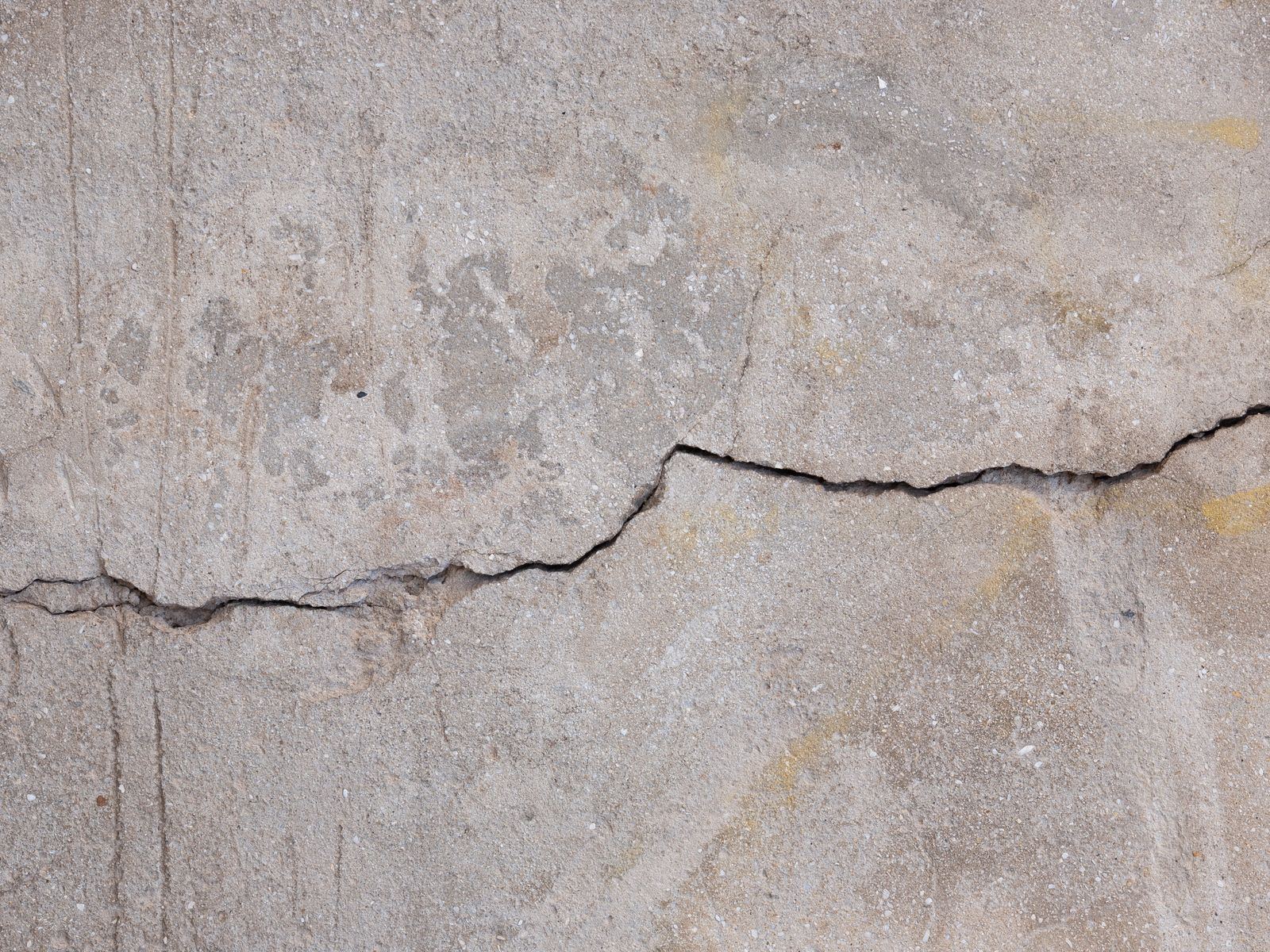
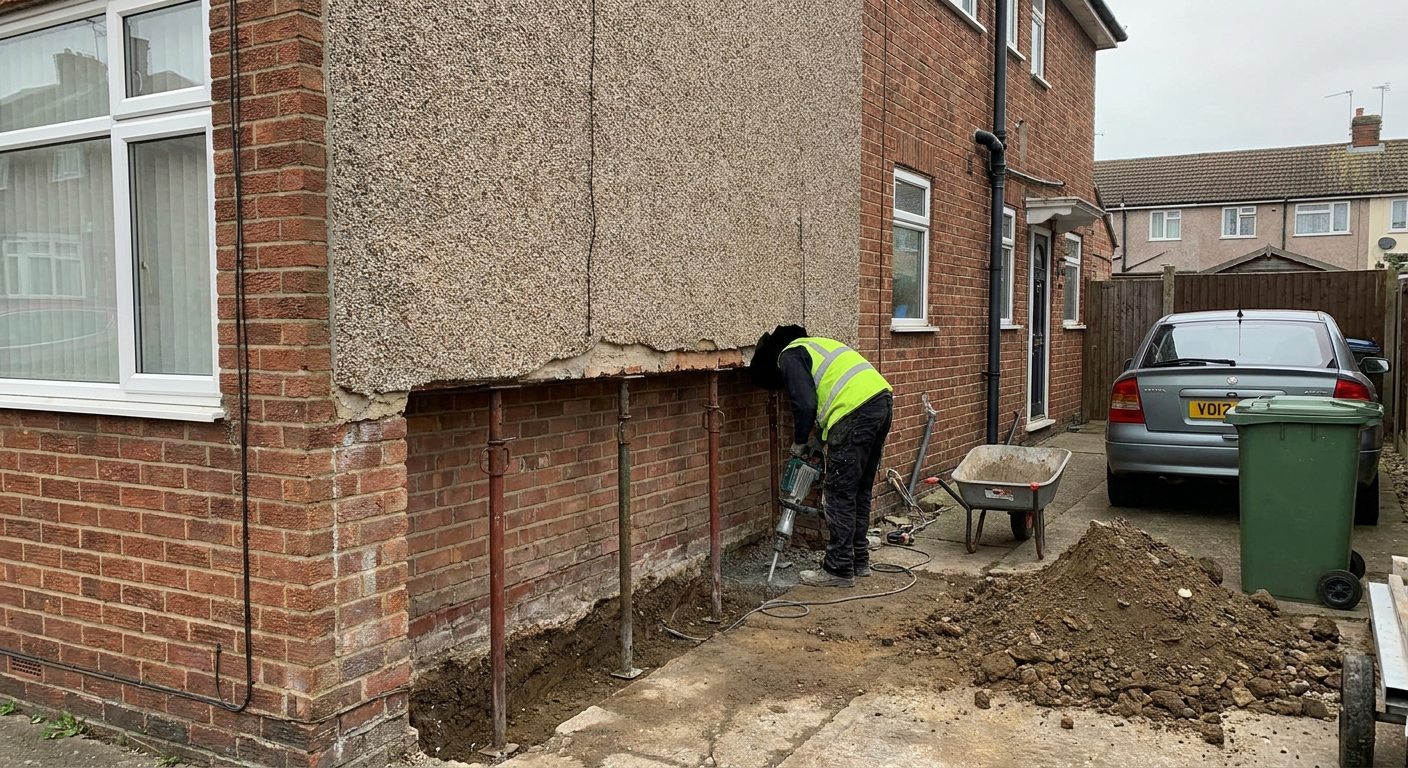
Why garden retaining walls fail on sloping ground
Hastings is built on hills. Gardens step down in terraces, and brick or stone walls hold each level in place. Behind every wall sits wet soil, pressing outward. When that pressure exceeds what the wall was built to carry, the masonry moves.
Water is usually the cause. Rain soaks into the ground above the wall and drains slowly through the clay common across areas like Silverhill, where cracked walls often point to saturated soil behind the structure. If the drainage holes at the base are blocked by silt or roots, water pools. The soil swells, and the load doubles.
Older walls were sometimes built without any drainage at all. A house on a slope cracking at the boundary might share its problem with the garden wall next door. Movement downhill rarely stops at one structure. Understanding whether the wall is settling, heaving or subsiding matters before anyone plans a repair, because each mechanism demands a different approach from the specialist firm sent to investigate.
Reading bulges, leaning faces and open joints
A bulge in the middle of a wall means the earth behind it is bowing the masonry outward. The mortar joints open in a curve, wider at the centre than at the ends. This is distinct from a wall that leans as a single sheet, which suggests the footing itself has slipped forward.
Vertical cracks near the ends of a wall often appear where it meets a pier or a return. These happen when the retained soil pushes the long central span out but the stiffer corners resist. Horizontal cracks along a single course suggest frost damage or a failed damp course rather than soil pressure.
You can track these changes yourself. Fixing tell-tales across a crack takes minutes, and keeping a dated record shows a structural engineer whether the movement is active or happened years ago. A wall that has been bulging for decades without change may need nothing more than pointing. One that opened last winter needs attention. Reading the pattern tells you which situation you face.
Drainage problems behind the wall
Most failing retaining walls in Hastings have a drainage problem. The town sits on alternating bands of sandstone and clay. Water moves quickly through the sandstone then stops when it hits the clay layer, pooling exactly where it does the most damage.
Spring lines run beneath many streets. Groundwater follows these natural paths, and if a wall crosses one, the pressure behind it will be constant regardless of recent rain. Autumn storms make things worse. Cracks appearing after heavy rain often trace back to water washing out fine particles from behind the wall, leaving voids that let the soil shift.
A specialist contractor diagnosing the fault will look for weep holes first. If they are absent or clogged, installing new drainage is the starting point. Sometimes that alone stabilises the wall. Where the soil has already washed away, resin injection can fill the voids and bind loose ground together, reducing the load on the masonry without rebuilding it from scratch.
When a retaining wall threatens your home's foundations
A garden wall is one thing. A retaining wall that also supports the side of your house is another. Many Victorian homes in St Leonards were built into the hillside, with the lower ground floor acting as both a basement and a retaining structure. If that wall bows, the floors above move with it.
Foundation repair becomes necessary when the wall holding back the garden is also part of the footing supporting the building. Subsidence surveys in Hastings frequently uncover this link: what looks like a garden problem turns out to be pulling the rear elevation off level.
Where the ground is too weak to support a rebuilt wall, mini piled underpinning drives steel piles deep into stable strata below the clay. Mass concrete underpinning works where access allows a trench to be dug in short bays beneath the existing footing. Both methods require a specialist firm to design and execute the work safely, particularly on narrow plots where machinery access is tight.
Arranging a survey and planning the repair
If your garden wall is bulging or cracking, start by recording the damage. Photograph it against a tape measure and note the date. Check whether the movement coincides with wet weather or follows a dry spell, since clay shrinks as much as it swells.
Once you have a basic record, arrange for a specialist firm to inspect the site. They will determine whether the wall can be saved with drainage improvements and crack stitching, or whether the retained ground needs stabilising first. Resin injection firms work on sites across Hastings to compact loose soil behind failing structures without excavation.
The cost and method depend entirely on what the ground is doing. A wall holding back a metre of topsoil in Westfield presents a different problem from a three-metre terrace in the Old Town. Get the diagnosis right before anyone quotes for the fix. The wrong repair wastes money and leaves the underlying cause untouched, so the wall will simply move again.
Ask about a leaning or cracked garden wall
Send details of the wall and what you have noticed. A specialist firm reviews the information and advises whether a site visit is needed. There is no obligation to proceed with any work.
- No obligation to proceed
- Local specialists respond
- Free initial advice