Describe the movement you see
Structural monitoring in Bexhill-on-Sea in Bexhill monitoring
A crack in the plaster or a door that sticks can mean nothing, or it can mean the ground beneath your home is moving. Structural monitoring Bexhill-on-Sea gives you facts before anyone decides on underpinning. Describe what you have noticed so a specialist firm can advise you.
- Facts before any work begins
- Small fittings, minimal disruption
- Clear answers about your home
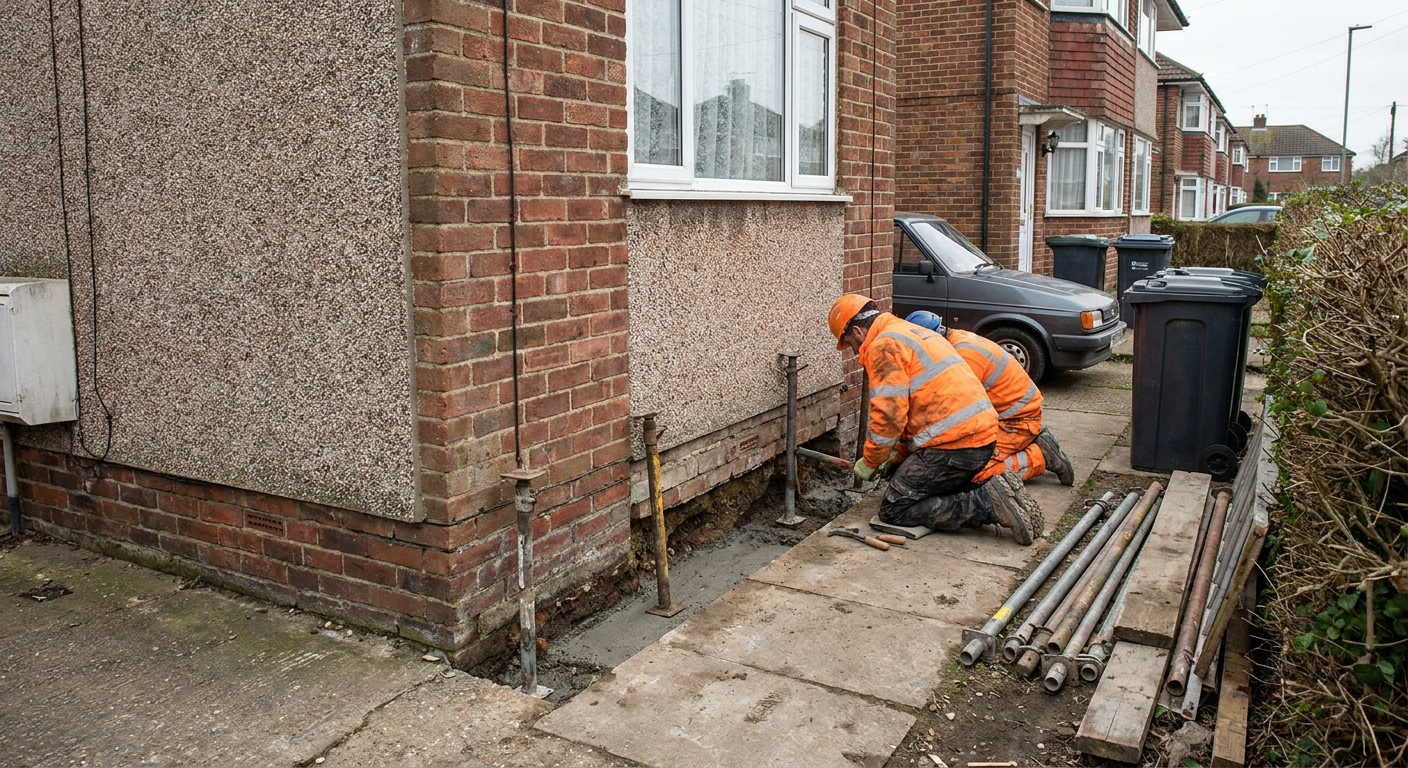
Related repair services
Monitoring often comes first. Once the cause is known, a specialist firm may recommend one of these approaches for your home.
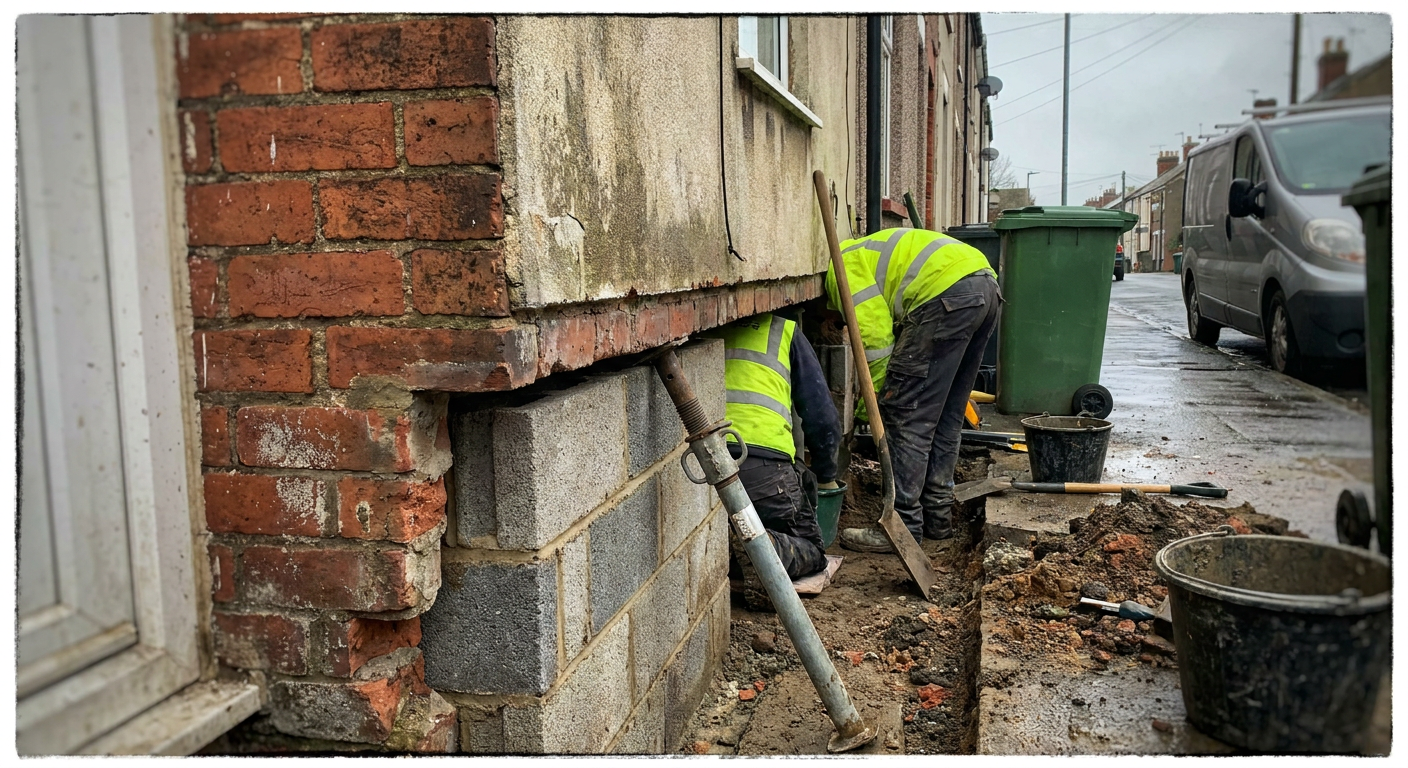
Subsidence Survey Bexhill-on-Sea
When you need the ground beneath your home examined before anything else happens.
Crack Repair in Hastings
After movement has stopped, stitching and filling the walls inside your home.
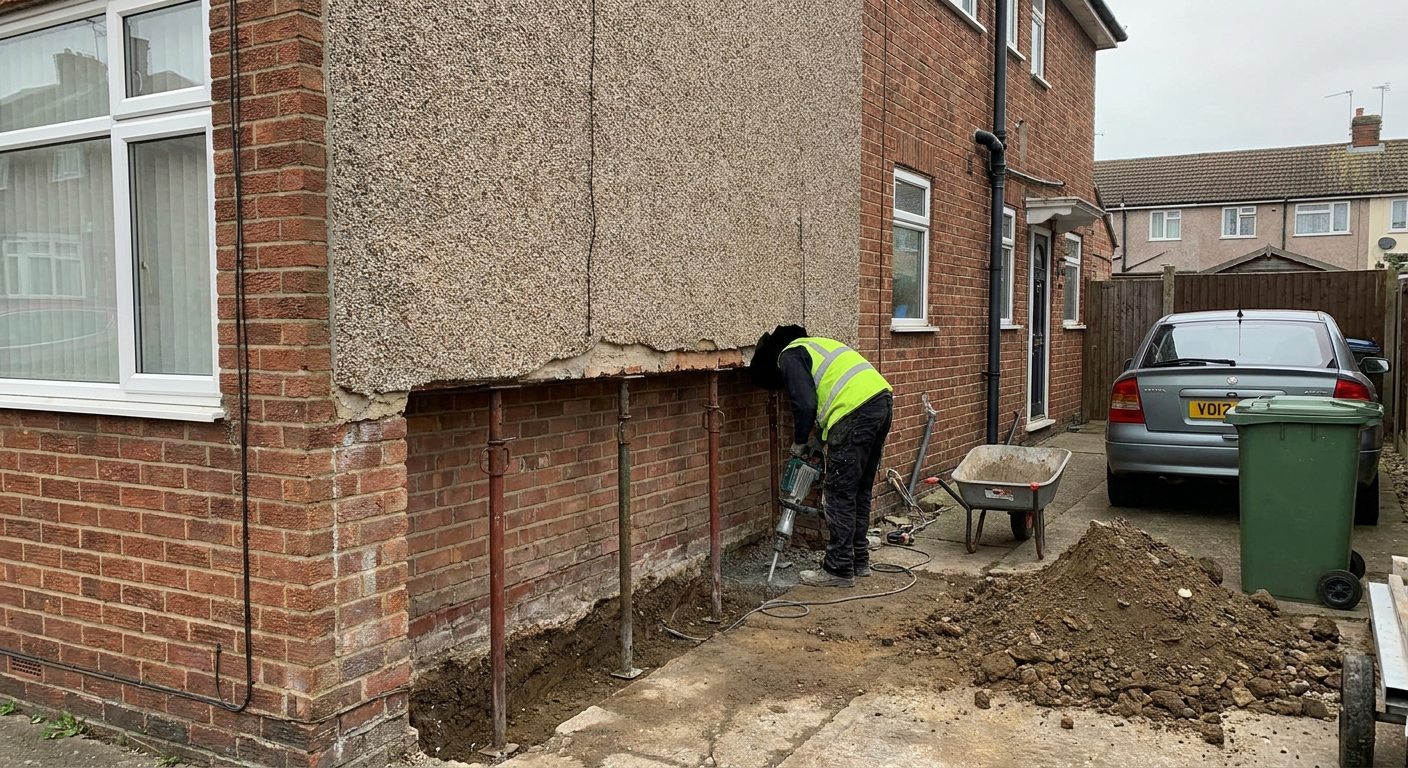
Mass Concrete Underpinning
For older terraces where the footing needs new support below the existing level.
Underpinning Contractors
Comparing quotes from firms who carry out the physical repair work on site.
Ground conditions around Bexhill-on-Sea
Many homes here were built in the mid twentieth century and are held by people aged sixty five and over. A movement survey for a Bexhill home takes that history into account. The specialist firm reads the local geology to understand why your walls are behaving as they are.
- Marine clay subgrade
- Clay beneath the seafront shrinks in dry weather and swells when wet, causing seasonal movement in foundations.
- Edwardian terraces near the coast
- Older houses on this clay often show differential settlement that requires mass concrete underpinning to stabilise.
How the process works for your home
You describe the crack or the sticking door. The specialist firm handles the technical side, fitting equipment and reading the results so you know whether underpinning is really needed.
What the specialist firm does
- Survey the home and plan a monitoring period
- Fit small studs to monitor cracks in walls
- Record measurements over several months
- Analyse data to check if movement is active
- Report whether further repair is necessary or if the wall has settled naturally
What you do
- Note where the crack is and roughly when you first saw it
- Allow access for the initial visit and any follow up readings